Head of the Family

I had to read this book for Literature class last year called “Esperanza Rising”.

I liked it, though I saw many people did not care for the main character, but to me, the story was relatable in many ways.

I’m not Mexican, nor am I an immigrant, but nonetheless, the themes of Esperanza feeling like she must support her mother and be “la patrona” reminded me of the transition I went through at 20 when my father moved out.

My sisters and I wanted him gone. We no longer felt safe with him around (I wonder now if I ever felt safe around him, even as a small child).

Still, having a parent leave was like yanking a pillar out from under us, in some ways.

My father was never the most emotional stable or mature person,so it was odd to me that him leaving shook us up so much. When he was around, he spent most of his time ignoring us and a good portion of the rest of it tormenting us for kicks or because he was taking out his frustrations of the day on whoever was available.

Not a reassuring person.

It’s strange how even a bad father can still sem like a staple of your life. Even his presence alone can change ow you feel, though he may be mostly checked out of your life.

I guess our dad controlled our household ymanic. We might have hated it, but we couldn’t avoid it.

We lived around him being home and getting around his moods and whims. He’d sometimes have family meetings whenever he wanted to change something.

Often the change didn’t last, but we had to be there. And he didn’t like to wait.

I sometimes got my way in the house by getting dad on my side, if it was something I knew he’d approve of. That’s how I got chickens and ow we go out garden started.

I really did the hard part, but my dad’s insist was what go my mom to get going on it.

My dad literally would tell me sever times that my mom had to be dragged into things “kicking and screaming”.

Not the nicst way to talk about your wife, I thought.

Me and my dad are go-getters. We are the people who initiate things.

However, a trait I had that my father seems only to have in small amounts, is the ability to plan and execute efficiently.

My father can start a basic idea, like a business, or suggest a backyard garden. And he will take some steps to bring it about. Like print fliers and canvassing from door to door, or paying for chickens or the coop etc.

But after that he’ll run out of juice. His business was always very disorganized and he struggles to find consistent help for it. He made few improvements to it over time and then wondered why he lost so much of it with the recession and other issues.

Knowing what I do now, I could probably help him fix some of it, and I’ve made some suggestions, but he is reluctant to listen to me, a 26 year old who’s never owned a business.

My Dad is very good at marketing. Whatever parts of a job involve that, he’ll excel at. He also is good at acquiring some skills of the trade.

But polishing it, and knowing how to adapt to a changing audience and methodology is not his strong point. (I’m trying to illustrate how I think I diverged from this.)

From as far back as getting a dog, I remember taking over family projects. My parents talked about getting one, but my mom wouldn’t sit down and start looking into it till I pushed for it and got my father on my side.

This started long before my father recognized the power struggle in our family was coming down to between me and him.

His words, by the way.

He later, once I was a teenager, would say I was trying to turn my sisters against him. Which wasn’t even true because for many years I barely said anything about our issues to them because he didn’t like it and I didn’t think they were on my side anyway.

When I switched churches he made me promise not to influence either of them to leave his church. I didn’t outright tell them to, but they came to me of their own accord to say they don’t like it and wanted to leave and of course, I told them to do what they thought was right but I wouldn’t say 100% to leave (keeping my word.)

But they knew what I thought and they had already agreed with it for years, so once they were old enough, they left.

After my dad moved out my mom left it too. I wasn’t surprised, I knew she didn’t like it either.

The funny thing is my dad knew all of us didn’t like his church but had no issue forcing us all to go, and even when my mom had tried to find an alternative, he manipulated her into staying by having big emotional argument about everyone going to the same church as the man of the house, or he didn’t have proper authority.

I now think this is a stuipd argument. Though it’s best if everyone goes to the same church at least while you have young kids, I think a mature family can work through it if they have slightly different preferences. As long as everyone believes in the same basic things, I really don’t care if you prefer charismatic or traditional church style.

But I digress.

Since I left first,my dad blamed me, but really if he hadn’t forced me to go in the first place, it wouldn’t have happened. And for ages after I switched, he made constant digs about me “missing a great time” at his church. And if I ever had an issue with my church, he’d say “I wouldn’t go back” after that.

He visited I once (after he had a falling out with his pastor), and didn’t like it.

Anyway, the funny part is he left his church after COVID anyway, since he didn’t agree with the Pastor so way of handling it. I didn’t agree with my pastor fully either, but I thought it wasn’t any reason to leave. I had community there.

Does this paint a picture of how my father and I are different? Good.

And why am I bringing this up?

Well, it’s complicated, but the idea I’ve circled around in the last 6 years is that once my dad moved out, even before that maybe, I was pushed into the role of head of the family.

La patrona, as the Mexicans called it in the book.

My dad left a hole in our lives that felt like a vacuum. All the energy we sent avoiding pising him off now had no object.

To be honest, for the first year, we fought with each other a lot. We were addicted to the drama and we didn’t know how to function without it. I remember a lot of the fights now as pretty stupid ones but they seemed legitimate at the time because they were similar to the ones we had with him.

My mom had a hard time keeping it together, as she became the main provider for the family (though my dad did provide some support) and had three daughters who were emotional wrecks.

I handled it better at first and then months in my physical and mental health broke down. Thankfully, by then my other two sisters were a little more recovered and were able to support me through a darker time.

Then I climbed out of that, with help from God and friends and family, and began to build my new life with other my father in it.

But even in those times, I still very much seemed to fulfill the role of head of the family.

I pushed for more and more changes. Like I started to work on de-cluttering our house, implement new systems for homeschooling my youngest sister, finding ways to organize who did what around the house.

Not all of it stuck, but we made progress.

I don’t do it alone, my sisters certainly help and my mom still does most of the financial heavy lifting.

But leading the family is not the same as providing for it. I found out. I may not contribute as much money but when anything needs to be done, I tend to be the one to push for it.

Like getting our pets taken to the vet when they clearly need it. Didn’t happen till I pushed for it.

Adopting two new cats, I pushed for it till I got my way.

And just the other week I organized my family into cleaning and organizing our garage which has been needed since we moved in, honestly, but my Grandma would never do it. And couldn’t even do it, since she can’t lift heavy stuff anymore.

My mom’s talked about it, but admitted that she probably wouldn’t have thought it out the way I did.

I came up with a strategy, to take one section per day, clear it out, sweep, dust, disinfect, and the put stuff back in a more organized way and throw out what we didn’t need, or recycle it.

After the first two days I also designated spaces for stuff we were going to take to E-waste, or hazardous waste.

I enlisted my family to help based around when they were working, since I had the week off. It was mostly between me and my sister who doesn’t have a job yet, but my mom and other sister pitched in based on their schedules and we got the thing done in 6 days, taking one day off because we were so bushed.

If you could see what it looked like before, you’d be amazed 6 days was enough. And that included moving a lot of the furniture out of it, then back in in a different order, moving some heavy cabinets and shelves to a new spot and then clearing out every spider infested corner.

It’s not a pretty looking room now, but we can walk in it, which we barely could before, and we have a lot more open space, and will have even more after we have a yard sale and get rid of the hazardous waste.

I noticed something about myself while planning and overseeing this project.

One thing is that I didn’t do it the way my dad would have.

Sure, he would have pitched the idea and insisted we do it, he probably would have even helped…but I remember how it went when we moved and the same thing happened.

Stress, tears, and a lot of arguing. Also a lot of getting mad at us girls for not helping the way he wanted.

There was some arguing this time but only because my Grandmother didn’t want to get rid of literal trash or stuff she’d never even used (and she didn’t even buy it, it was left there by other people who lived in the house).

My grandma is a hoarder, unfortunately, so that I got her to agree to let go of any of it was a small wonder in of itself.

But I have learned something that my father never did, which was that if I pitch something a certain way, I get better results.

(At least if my father knows this, he only uses it in business. With personal stuff he just scares people into submission.)

But I don’t like to do that.

So I thought my Grandma would be more willing to get rid of the stuff if it was for a yard sale, which is going to raise money to cover my car expenses.

My grandma is a kind person who will help you out if she can, but she lacks imagination.

That being said, she’s willing to help us out but often had no clue where to begin. So, I came up with this idea.

Though, we did have some arguments ensue even so…but we worked around it.

It was a lesson for me too in what my family is best suited for. If I need someone to work fast and get rid of the most stuff, my mom is better. If I need someone to sort things out with details, my younger sister is better. If I need someone to just help me move things I can’t do by myself, my middle sister is best.

And they all admitted upfront that I was the only one with a clue how to organize everything, or a vision. My mom and my middle sister are both neat people (far more than I am, ironically) but they don’t have a lot of creativity when it comes to arranging stuff efficiently.

I’ve already made lot of changes around the house that maximized our space with very little effort, and they would never have done it, but they adapted to the new arrangement with gratitude.

Makes all our lives a bit easier.
But another thing I took over(to be honest, long before my dad moved out) was emotional health.

I am the first person to pick up on if anyone is not feeling well or is upset in my household. And usually the person who jumps to do anything to comfort them.

I remember I started helped my youngest sister deal with her nightmares or fear of the dark once my mom stopped doing anything about it.

I talk to my sisters about their dreams and problems, and my mom also. They don’t always listen to my advice, but I’m there.

I’ve never considered myself to be a very sympathetic person, it’s mostly been trial and error for me to learn how to help, but I know that if I don’t pick up on it, half the time, no one else will.

Right after my dad left, I was dealing with the emotional outbursts and mood swings almost every day because my mom was at work and I didn’t currently have a job…it was not fun.

But we got through it somehow.

Now I mediate stuff even between my dad and the rest of my family…Which is the crowning irony after he made it out like I was the one turning them against him.

Which he’s never apologized for saying or taken back, I doubt he remembers saying it now.

I think I started doing this stuff when I was a teenager, maybe younger, and once my dad left, it just became official.

And running all these projects, I’ve learned to compliment them and ask for their help respectfully, instead of doing what my dad did and bossing everyone around and berating them for not doing it fast enough.

I noticed a difference between myself and my dad when my sister was doing something that I didn’t really want her to do yet, and I said “I appreciate that you’re doing this, really, but right now I need this done faster because we have limited daylight.”

And she stopped and helped me, no issues.

And the funny thing is, I didn’t even really think of it as being a different way to handle it till I remembered that my father would never have said that to any of us.

I mean literally, never could I even imagine him using that approach. It would have been: “Come help me do this” at best and angrily saying “What are you doing that for? you’re supposed to be doing this” more often.

I also made sure they had breaks and tried to overlap so that someone could rest (including myself) and someone else tagged in.

Another thing my Dad never did. He once yelled at me for being lazy and told me to get off my “ass” (his words) when I was resting from moving stuff into our new house.

And that’s just one example.

But you know, I used to be way more like that. I used to talk to my family a lot like my dad did.

Till I realized that I sounded just like him, and I began to consciously choose to be kinder and more respect.

And I found that I really felt that way.

Doing the right thing actually felt pretty easy for me, because I’ve practiced the skills of guiding people more nicely and motivating them without threats.

I think that my family agreed with me that it needs to be done, but I’ve motivated them to do stuff they didn’t think about at first also, with the same method.

I felt weird about it at first though. Like, am I managing my own family? Is that really my job?

And I realized that parents do it all the time, but since I’m not a parent, I didn’t think of it in that light.

Of course, you may think it’s kind of sad that I, the oldest child, am in this role, instead of my mother, or my father.

And if I was honest, there are times I feel like I’m not getting fair treatment. Frankly, my emotional needs are often overlooked in my household because I’m the strongest personality. If I don’t spell it out for them, they will just not notice I’m upset.

But I notice even if they don’t tell me.

The price of being the most sensitive person is that you are usually giving out more than you’re getting in many situations.

There are things they do better than me. And more of. I do have shortcomings.

But it’s not want to say I kept the family together. I don’t think any of the rest of them would have or could have done what I did. Or still do.

To the point where I worry about moving out because I wonder who will take over. I hope that by then they’ll be more independent and it wont be as necessary. I know I can’t do this forever.

Some people would probably hate it. I don’t hate it. I like feeling like I can take care of people, and like I have an important role in the house.

I do resent it sometimes. I think all of us at times feel under appreciated and like we do more than we should have to.

And I dream of a day where I could live with someone who would want to put in as much as I do. I find it hard to picture. I know that my family is just not wired that way, thanks to years of abusive cycles.

We’re still way better than we used to be…but it may never be my ideal. I may have to start my own family to make that happen.

And it’s not that I expect perfection, (in case you’re getting that idea). I expect there will be tantrums and issues and fights even if I have my own family, I know my husband and I will not always agree.

But my wish is that it will be on my terms, that I can work out things without someone shutting me down or shutting me out, and that I can know we’ll at least have the same goal. Something I’m not sure of in my current household.

The one good thing about marriage is that you do get to pick your spouse, you can choose someone who has the same vision as you, you don’t get to choose your kids or anyone else in your family except them, so you need to choose wisely.

I think it will be good practice having run my current household.

The funny thing was, my dad always said from when I was a kid that Was the most mature one. More so than him. (Red flag by the way. A parent should never say that to a kid.)

I knew it was not true probably when I was 7 or 8…by the time I was 15 it was true. And by the time I was 20, it was saddeningly true. And now, it’s almost ridiculously true.

I’ve matured so much that I don’t really need my father anymore. I don’t mean this in a defiant way. I mean that I literally don’t need him. When we talk, there is nothing at all I feel like he can tell me or do for me, expect help out a little with money, that I can’t do better myself or find a better source for.

He seems like a small person in a way to me. I think love makes people seem larger when they do it well, but when they are selfish it makes them seem small, if you’re not under their control.

Since he lost his control of my life, I’ve flourished, though I’ve made mistakes and had dark days…but I’d never go back.

He was holding me back at 20, to be honest, and he’d really hold me back now.

That is not to say I’ve abandoned my father. I don’t plan to do that…but I know it’s never going to be the same…and I hope to goodness it’s never even close.

My family is aware of my position, but they really don’t like to acknowledge it. I think, in a way, it embarrassed them that so much got put on my shoulders. They don’t often thank me for it.

I’m hurt by this sometimes, but then I remember that it’s partly because the situation is so messed up that they find it hard to talk about. They’re glad I’m there, but if they try to face it, they fear it will crumble on them. Maybe sometime they’ll be ready to talk about it.

And I really don’t want constant affirmation about it, I find it awkward to think about too.

They have surprised me too, I’m not saying it’s one sided. But the power balance always has been in my favor

My dad became a self fulfilling prophecy. He also told me I was more mature then him, it’ll it became ture. He said I was trying to take care of the same from him, until he basically handed it to me by default.

I remember that he told me “you win” when he left.

I wan’t trying to win…but I was trying to protect my sisters and my mother from what I feared was going to be the same treatment I already got, or worse. It was turning into it before he left.

I played my dad masterfully to get him out of the house, and I didn’t even do it on purpose. I think God must have guided our actions, because we just went on blind instinct and it made our dad more and more angry till he exploded at my mom enough for us to point out to her how out of control the situation was.

I have to appreciate my mom for stepping up also. She’s not always been the perfect mom, but we certainly couldn’t have done it without her and she’s at least tried to change. Which is more than my father has.

I’ve learned that you get what you get, with your family. You can wish they were different, but to be honest, don’t you think they wish you were different too?

I know that my family finds me a little too driven and too pushy for comfort…and I try to rein it in, but I can’t always go with the flow either.

Family is just a balancing act, like most things. And I’m okay with that now, I wasn’t always.

So I’ve learned to accept things and not let them ruin my happiness.

I think I sound like a much older woman than I am, because of the responsibilities I had to take up…but you know, after I listen to my generation talking about how they feel like they have no purpose,and whine about every little hardship, and lack the basic skills to manage their own lives…I think I might have been Lucky.

Maybe God used all this to spare me from becoming someone with a victim mentality…which is the worst torture of all, though they don’t see it as such while they’re in it.

Sure, I would like to play the victim card sometimes, but…I know I shouldn’t. Society makes it easy for me to, but I try not to give in.

See, on this blog I can come to show only my good side, or I could do what many people do, and gripe about my flaws and struggles only, without ever balancing it out with my success.

I don’t think either extreme is really helpful to people or realistic. We all have our Ws, and our Ls. Our highs and our lows.

My story is unique, but that doesn’t mean other people can’t see themselves in it.

I don’t know how many people could do what I did, you’d have to have the circumstances line up the right way for it.

But you can generally do something, even if it’s small, to improve your life and take some control over it.

I find little changes lead to bigger ones.

And big changes often happen very fast and feel uncomfortable, till we get used to them.

My point in all this is that becoming the head of the family is the role that I grew into because of circumstances, and then in it, I found joy and the satisfaction of learning some of my own strengths, as well as weaknesses.

So whatever your thing is, your situation, your opportunity, I encourage you to make the most of it. Often the present is just a stepping stone to the future. Even if you don’t have the opportunities you want now, you may be able to get there if you use the ones you do have.

Cliche, I know, but some cliches are true.

Until next time, stay Honest– Natasha.

That’s hard to answer…

Daily writing prompt
Can you share a positive example of where you’ve felt loved?

This might sound kind of weird, but, I don’t know that I’ve ever “felt loved”.

I mean at least not by a person.

I am a Christian, and I have experienced God’s love. I think most skeptics would doubt that’s a real feeling. And since I can’t prove to them that it is, I don’t know if that counts for them.

I think there is a psychological reason for why I don’t feel human love.

I recognize love, in my mind. But there are walls up that block it from reaching my emotions.

Growing up with an emotional manipulative and abusive father, it’s not rocket science.

For my father, saying “I love you” was usually only a thing that happened when he was berating me.

It was pretty twisted in a way.

“We’re doing this because we love you, Natasha.”

And what they were doing was berating me for everything I ever did around them.

If you want the full story of how this started, keep reading. Otherwise that was my TLDR explanation.

Let me explain:

I was told I was rebellious. Even though I hardly ever broke a rule in my entire life. I’m not kidding, I barely even broke bedtime rules. I like limits and boundaries, they make me feel more balanced. I wasn’t the type to unravel them without a good reason.

But yes when I decided something wasn’t good for me or helping me anymore, I would protest it.

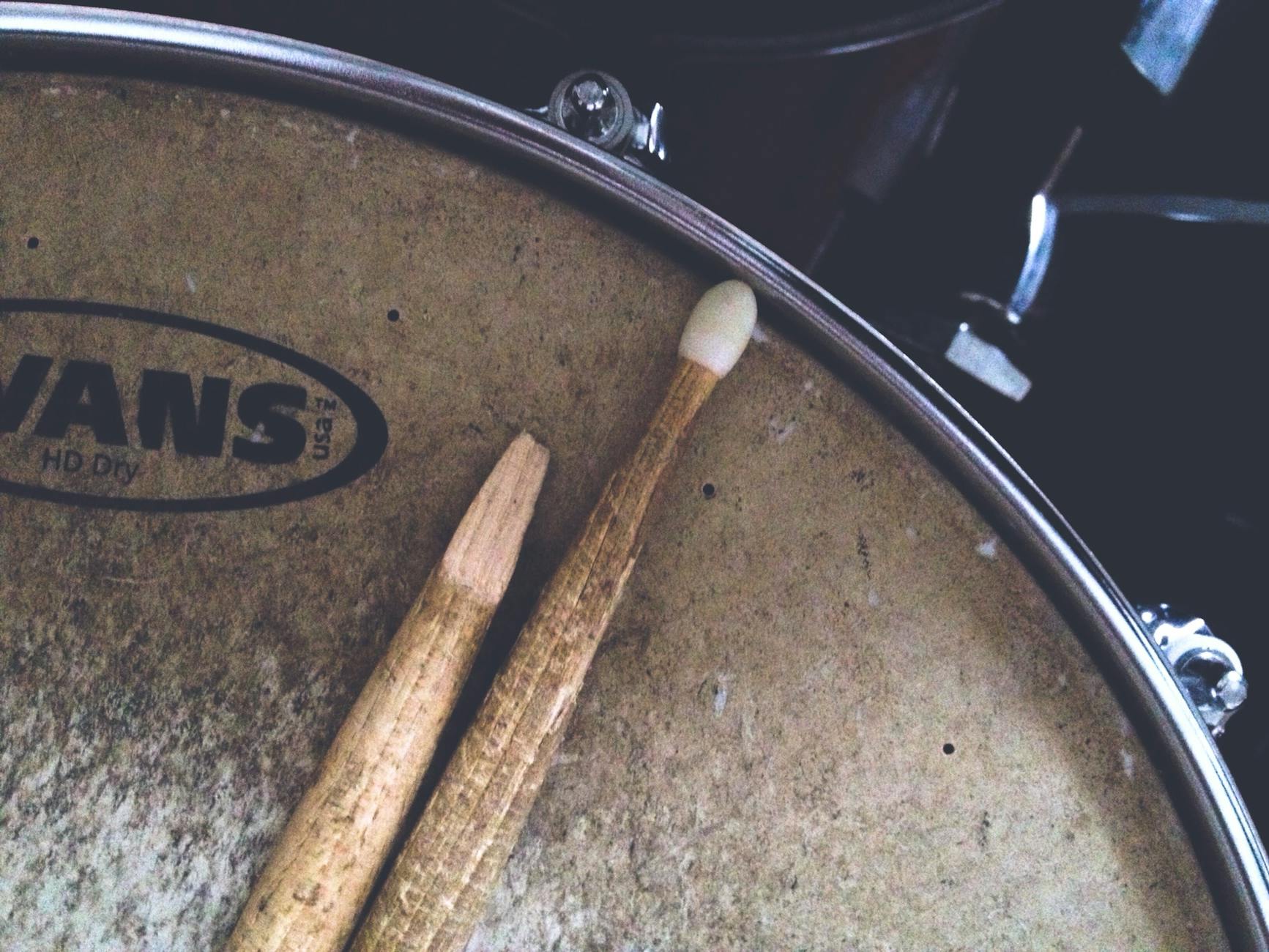
So when I decided I wasn’t enjoying drum lessons anymore, I said I wanted to quit. That’s where it all started.

This was after a year long of taking them, which my father agreed on as a trial period. When I brought up to him that I didn’t want to anymore, he said “Oh you’re not gonna quit.”

Mind you, I hadn’t ever actually used the drum in a real performance, or any performance. And the only time I even tried to play along with my dad and his friends, they criticized it because it was too loud…you know, because you learn drums to play a quiet instrument.

Since I saw no purpose whatsoever in learning it anymore, I was miffed at my dad breaking his agreement with me.

After thinking about it, I pointed that out to him, respectfully enough, I thought. And he said fine, I could quite.

But that wasn’t the end of it.

He talked to his best friend and the friend’s wife, as well as my mom, about me wanting to quit, like it was one big crime.

I couldn’t understand why they cared so much. Since I wasn’t using the drum for anything, what did it matter?

But it turned into a whining session where his friend aired some other grievances about me that I had no idea he had.

Apparent’y, I made some joke during one of his music lesson with one of my sisters. Just about tomato sauce. That was it. I didn’t even really direct it at him, just made a joke about the ingredients in tomato sauce. He was deeply offended.

Now, as an adult who has taught a class, I completely could understand why he might have been annoyed that I interjected while he was teaching.

However, as an adult who teaches 10-11 year olds, I would expect that behavior from that age group, without it really being malicious. And I was only 12 at the time of this conversation.

A 12 year old interrupting to make a joke isn’t , in my mind, a big deal. If it happened to me, I would have simply given the kid a warning, explained why it was disrespectful, and left it at that. If they didn’t do it again, I wouldn’t even tell the parents because who the heck really cares that much?

Apparently, my dad’s best friend.

Now he never said a word to me about this, oddly enough, nor did he ask my mom to talk to me about it delicately.

I didn’t hear about it till this big confrontation with 4 adults, all of whom told me I was a brat, disrespectful, and not nice to other people.

At the time, I also took singing lessons from this best friend’s wife.

She didn’t like me much because I couldn’t stand still while I sang. And I got tired easily. Also I didn’t like the music choices that she insisted on. She didn’t ever teach us any songs we actually got to pick, and when I asked if we could learn any songs I actually knew and liked, she said no because they were pop songs.

I guess it was her right as a teacher not to teach it if she didn’t like it, but she really shouldn’t have expected me to be interested in learning if it was all music I didn’t care about. I’m pretty sure music teachers in actual public school pick at least some songs the kids like.

I found out years later that the reason I can’t stand up easily is I have uneven legs, so I tilt to one side when I stand (good think my name isn’t Eileen), and I have a more curved spine than usual and a curved tailbone, making it hard to stand straight for long periods of time. I have gotten a bit better with some chiropractic treatment and exercises to improve my core, but it’s never been easy for me to move the same as other people, and it probably never will be unless the problem is resolved. Which is unlikely.

So she got mad at me for something I couldn’t help. and I told her and my mom that I just got tired and didn’t feel right standing.

The crazy thing is, you can sing sitting down. It wouldn’t have been a big deal. Sure it’s better to stand,but I wasn’t going to be doing any Broadway musical, it would have been fine for me to sit while learning. She sat while teaching me.

Even moving around, which was still easier for me than standing because I could at least shift balance, she wouldn’t allow.

I suppose, maybe it’s not her fault that she didn’t know I had a real problem and just thought I wasn’t listening to her. But the issue is, she never even considered any alternative explanation other than I was trying to be defiant.

Well, to be fair, after she got on my nerves with this crap for weeks on end, I was trying to be defiant. But it didn’t start off that way. If sh’e d been nice to me, I wouldn’t have wanted to act out. But she did all this from the start, when I wasn’t trying to do anything to set her off.

I know, not the most mature thing–but I was 12 years old. 12 year olds aren’t mature. Even so the worst I did was probably roll my eyes and act bored, which is rude, but hardly the kind of rebellion I would think would warrant a four person intervention.

Again, no one just sat me down and talked to me about this in a normal way first. Which is my first recourse as child care provider myself. I always gives kids a warning before I jumped to a full lecture. If they ignore the warning, then I know they’re blowing me off. But if they don’t, then they were just being kids with short attention spans who don’t know social etiquette yet. I make allowances. It’s not like every kid is going to be able to figure this out intuitively.

Anyway, to get back to how this tied into love.

During this dialogue we were having, which felt more like a one sided monologue to me, they were criticizing pretty much everything about me.

Even at the time I didn’t think it made a lot of sense, 4 adults, two of whom I didn’t really know that well, and barely talked to the one, and my parents, all criticizing me.

I’m now very against this approach in practice. I think most people with experience with kids or even teenagers would be. Two people is about the limit for any confrontation with a kid that’s not a medical emergency, I’d say, without it feeling like you’re bullying the kid. I’ve seen kids cry over less, as it is.

Oh and I was crying through most of the conversation. Do you think they stopped? Do you think they tried to comfort me and get me to calm down?

Nope.

Tey told me I shouldn’t cry anymore.

And my singing teacher even picked apart the way I was sitting as being a defensive psotiosns.

Can’t imagine why I would have feel the need to protect myself , under the circumstances.

Now that I’m experienced enough to know how weird this situation was , I’m amazed my mom didn’t see it that way. But I figure my father probably bullied her into it, as he usually did.

The icing on the cake of all this was that one thing I was getting in trouble for was something my dad told me to do, and though I even expressed doubt about doing it to him, he said it would be fine. So I did it.

It was not fine.

He conveniently had forgotten he told me to do it. He admitted to it during the confrontation.

Do you think they stopped? Do you think they apologized to me for the mistake? Do you think they admitted it wasn’t fair?

Not in my memory. But I have blocked out a lot of it, I could be wrong…I do know it wouldn’t be in character for them to do it. I can’t recall either of the other two adults ever admit they were wrong.

My dad would only admit he was wrong about imagined things, not real things. Go figure.

The part that made this about love, much to my dismay both now and then, was that they claimed this entire humiliating experience was done out of love.

Yeah…it really felt like being torn apart for 2-3 hour staring was an act of love.

In the end, though, I did still quit the drum. I find it funny that the thing that set this off was still something I won about. Yet, I feel like I lost more than I gained from the experience.

I’m not sorry now I quit drum, it wasn’t for me. I’m not even sorry I took singing lesson, I enjoy singing. Granted, I hated taking them for that woman, but I did like learning it and I like knowing a bit about it now.

I do still wish she’d taught me how to sing different styles than she did so I could have used it more widely, but them’s the brakes.

Of course one incident might not have given me a complex about love, though for some people that might be enough to do it, but I’m a reasonable person, and I was even as a teen, though less so then, of course.

Still, I could have probably put together that that wasn’t right, if my dad hadn’t reinforced it over and over again.

But pretty much any time my dad and I were alone for longer than 10 minutes he’d start up on the subject again. Bring up every example they had, remind me that his two friends,and even their family, didn’t like me. Say I was a lot like a narcissist.

The funny part is my dad is the the actual narcissist, or has BPD. One of other or both, maybe. I now know it’s common to project your own toxic traits onto someone else, I don’t know that at 12, of course.

Always though, my dad would end or begin or interject into the middle of these lectures, that this was done in “love.”

I’m a very sensitive woman. I always have been. I won’t say verbal abuse is worse than physical abuse, both suck.

But to a sensitive person, it was devastating to hear this so many times.

I’m not a meek type of girl though. I fought back.

But since fighting back, both the first time,and every time after that, never got my anywhere, it created this complex where I feel like nothing I do will ever change people’s minds about me, and I expected them to dislike me, secretly, even if I’m not aware of doing anything to them to cause it.

I expected that for many years every time I met any new person.

Unfortunately, the world had a lot of touchy people in it, and sometimes, I got proven right. I’m sure my insecurities didn’t help with that, since insecure people tend to do things to tick others off anyway, but sometimes it really just came out of nowhere.

The unlucky times my dad got involved, he would usually agree with whoever it was. Even if it was the Sunday school teacher beefing with me for causing problems just by sitting in her class doing nothing.

My sister was there too. They don’t call her in for questioning. She didn’t even know what I did, to this day, I don’t know. But I know my dad was always ready to agree with anyone who had a problem with his daughter. Didn’t matter how unbalanced that person was to begin with.

All the little things my dad did to sabotage my life, but they added up.

I can’t of course, lay the blame for everything at his feet. Some of it was my fault. Some of it was other people’s besides my dad’s.

But the person who twisted the knife every time by calling it love, that was my dad.

I’ve never had people comment on how little I seem to be able to receive love.

Because when someone says that word, I flinch sometimes, inwardly.

I actually prefer if people use words like “I care about you” or “I appreciate you” because they ton’d set me off the same way. My dad certainly would never use words like that.

But “proud for you” is a trigger too, because he used that also.

It never meant anything. I figured out years in that he didn’t mean it. And I figured out also that even if I had done something to be proud of, he would have meant it. He didn’t think that way.

Pride in us wasn’t about what we did, or even about us being his kids, it was always about what he thought we wanted to hear to do what he wanted.

See, some people just never give love, and that’s bad enough.

Other people use love as reward for good behavior, and that’s just as bad, or maybe worse.

The type of person really talk about is the kid who uses love as a motivation if and when threats aren’t working. Just so you can be both scared, and then feel guilty for being scared.

Gas lighting at another level.

Thanks to this, I can’t feel love easily.

I won’t say it’s impossible. I feel love for other people. It’s easier when it children, people who don’t scare me.

That’s what got me, truth didn’t help. Truth is very important to me. If I assume something about someone, and alt er find out a fact about them that calls that into question, I actually changed my mind. I can’t imagine not doing that. But there are many people who will never change their mind, no matter what the truth is.

It’s hard to realize that when you’re not that kind of person.

But I’ve learned to let it slide off my back more.

I’m not writing this to say that my dad ruined my life. Or even that he ruined my relationships. I have good relationships with some of my family. And I have friends. I’m learning to get better at all this.

I hope one day to have a good marriage–which I will probably get counseling for, but that’s just good sense.

And a good relationship with my own children, if God grants me them like I hope.

But I’m not going to lie about my life and say all this didn’t matter or have some effect. Admitting it mattered actually is part of healing.

So it did matter and it is sad. Even saying that took me years to get to. I’m glad for the people along the way, here and there, who did take my side and tell me that that wasn’t normal to go through that.

I had a very good grandmother who would sympathize with me, she was still there for me when my parents weren’t. I had a good youth leader who helped me see at least some of what my dad did was wrong years before I could go to therapy to her the same thing.

I wasn’t always alone. I was just alone too much for it to be good.

But we take what we get in life, and I see no point complaining about it. I think we get what we need ultimately if we seek it, but not always the way we imagine it.

I’ve still never really had father figure other than God. But God has been enough, I know that will sound weird to the person who’s not a Christian, but it is what it is. Think I’m crazy if you want, I really don’t care. Until you have a better cure for broken hearted and lonely people, I don’t really think I’ll swap out mine.

I hope that I will learn to like the word “love” when people say to me again.

I think all this came to mind not just because of the prompt, but because of a thing one of my friends, who is a very blunt person (too much like me probably) said to me at my birthday party.

She pointed out: “Look how loved you are.”

I was thinking that it was nice of them all to show up. And I thought she was right, they were trying to show love.

Yet, when she said it, I felt nothing expect probably confused.

Like I usually feel when someone says that. Or uncertain. Maybe it’s fear, maybe it’s just doubt. Maybe they’re the same thing at bottom.

If I accept that, then how will I handle it when they end up doing the wrong thing to me, or leaving me? As everyone will, sooner or later.

Unfortunately for the person who has “avoidant attachment” disorder, as one therapist told me (he was an ass though, but he might have been right about that–he didn’t help me with the problem though), the fact is that being separated from the people you love is inevitable.

It’s hard enough for a healthy person to accept loss and grief. It’s harder if you’re someone like me who has had very little chance to even feel loved at all, so any short stint of it that will be taken away again feels cruel.

I have learned however, that often we’re more loved than we see.

And that the way I interpret love is not always the way people show it. A lot of stuff is just not communicated right.

And recently, I had an ordeal that my friends did not exactly make me feel better about. Doing a lot of the same things that set me off–but I didn’t blow up at them.

I was a bit upset, but I didn’t lash out at them because I knew, at least in my head, that they meant well and were trying to help.

While I would rather actually feel better, I do at least derive some sense of comfort for the fact that I have people who will attempt to help me, even if they don’t succeed. Having grace for people is important.

And that’s a huge stride for me, from where I started from.

So if you related to this post at all, I can tell you that it’s small things like that are along the path to health.

I don’t have it all figured out yet, but I know that at least being able to treat people with some degree of trust, even if you have doubts and anxieties, is the only way to start.

It might take years for me to feel it the way others do. I can be mad about that– or I can accept it and keep trying.

Maybe this is my favorite Naruto characters are Sai and Gaara. Both characters who pretty much embody the journey of learning to feel things again and feel them the right way.

Or my favorite author is C. S. Lewis, who wrote that it was important to be able to feel the right way about things, to be a whole and happy person. [It’s in the “Abolition of Man” book.]

If you met me in person, you might not even guess this about me. My friends have told me they wouldnt’ have before I told them.

I take that good sign. I’ve worked enough on the issues I have are not all obvious. That’s progress. They used to be blatantly obvious to people, based on what they told me.

I’m not a closed off person in every way either.

I guess my point in all this it is to say that these issues don’t define me, and they don’t define you either. You can have issues like this and still be a loving person. So they make you more loving because you over-compensate, in fact.

But I think you can never been too loving, so it’s a win-win. Sometimes broken stuff can be fixed to be stronger than it was naturally. Like when they cut off the trunk of trees to graft in a stronger trunk, but keep the old root system. (They can do that with fruit trees, did you know that?). You gotta know what to keep and what to throw away.

I think that’s in Ecclesiastes actually.

Well this got pretty long for a daily prompt post, so I think I’ll end it here. I hope some of this was encouraging, since it was kind of raw and heavy for this kind of post, but it was where my mind went, as as you know my motto is to keep it honest.

So until next time, stay honest–Natasha.

It wasn’t memorable for the same reasons as you’d expect.

Daily writing prompt
Think back on your most memorable road trip.

Several years ago my family went on a road trip to Wyoming to visit relatives.

That was the last road trip I went on with my father.

That was the one he punched me on.

Only in the arm, but, it was still a violation of trust. He threatened to do worse if I ever hit him again.

I hit him because he walked in on my in the bathroom, deliberately, and then just laughed instead of apologizing. Acing like a middle schooler (no I’ve know middle schoolers who were more polite).

I’m not defending my actions per sec, I still probably shouldn’t have done that (though if it was any other guy doing the same thing my father would have been fine with it). I guess I thought if he’s going to act like a creep, I’d treat him like one.

But that logic didn’t go over well with my family.

Still, my dad retaliated too much. He hurt me when he hit me back, and he could hit harder than I could. Also, he hit me twice. But it wasn’t really the phsyical pain that bothered me, it was that he did it at all. Something my mom always said he’d never do, though he’d threatened to plenty of times.

My dad had a nasty temper, and the thing I realized was it didn’t matter if you could argue I deserved it (which is what my aunt basically said). My dad got mad over stupid things all the time, even if this time it was valid, if he’d hit me over this, he’d do it when it wasn’t valid too.

I was scared of him getting that angry again–but then I always was scared of his anger.

I didn’t know at the time hat that kind of fear shouldn’t be the kind your father inspires in you.

That with a safe man, you wouldn’t even be able to picture them hitting you even if they were angry.

There are men I know like that, but my father was not one of them. Not from when I was a little kid.

The next year, when they all went on a road trip, I stayed home. Best decision I made where that was concerned.

By the year after that, my father had moved out. Actually, it was right after their trip. Where I heard there was plenty of drama that I was happy I missed, no doubt I’d have ended up in the middle of it.

Something died between me and my dad on the trip though. Maybe if he’d let it be a wake up call, and had tried to change, and fix things after that, it could have recovered.

But instead he blamed me for what happened, claiming he “didn’t know what else to do” since I “never respected him”.

Even though the entire incident was started by him disrespecting me.

But my dad is good at gas lighting.

My father wasn’t often physically abusive. That incident was the closest he came to it, usually he didn’t do more than yank me out of chairs or rooms he wanted to be in, and threaten to hit me if I talked to him the way I did.

But since it had gotten worse over time, I had a feeling it would just keep getting worse till it became a consistent thing, if we pushed him enough. We all walked down eggshells around him because of that.

My life got much better once he moved out (really we made him move out).

I’ve shared the story on this blog before, more while it was happening, in fact, but, I doubt most of my new followers have read those posts, so sharing it again after all this time is probably a good idea for context.

There’s too much to really tell the rest, though.

I’ve had good road trips since that time, and I hope I will remember them for years to come, but it’s probably not up for debate that that one is the most memorable.

I’m likely to remember it till my dying day unless I get dementia in my old age.

I’m not really sad or mad about it now, it just reminds me of why we did what we did, and why it needed to be done.

I hope other people had more pleasant memories for this prompt though.

–Natasha

Not to be sappy but…

Daily writing prompt
What is the greatest gift someone could give you?

Love.

I know it sounds cheesy, but I’m not that particular about what someone gives me in material possessions. The point is that they thought of me.

Or if they do anything else that I know is their way of showing love. It just depends on the person.

In the end caring too much about “stuff” is just a waste of time. It’s the thought that counts.

I just recently got given fuzzy reading socks as a birthday present. I love them. I never would have asked for that, but, this person picked something she knew I’d probably use and that’s the sweet part. Also I ended up thinking they were really comfortable, so it’s a win-win.

-Natasha.

My keys to Happiness

Hello all,

I decided to do a more lighthearted post today.

As you may know, I’ve used part of this blog to post about my recovery process after living with an abusive father for most of my life.

While I may not have as many horror stories as some people (and I acknowledge that everyone is different) it was definitely enough to poison my happiness and my self confidence for many years.

I still live with some side effects of that, but, by and large, my life has vastly improved in the lats 6 years.

I was dealing with depression and anxiety for a while because of what happened (and because I had reoccurring issues with that growing up), but I’ve gotten much better, and I’ve never needed meds. (Some people might, but I felt it wasn’t for me.)

So I thought I’d blog about some of the changes I’ve made.

Keys to Happiness

A lot of people say happiness is fleeting. That it’s just an emotion.

What I’ve come to see from both my own life, and observing other people’s, as well as reading about it, is that it would be more accurate to say happiness is a continual process, not a point of arrival.

I remember during the period of my recovery where I could barely eat because of anxiety (something my mom and sister also went trhough, and I’ve since learned is a symptom of people who’ve been narcissistically abused) some things like songs and messages would help me get trhough the dark points.

One that caught my attention was “Theseus” by the OH Hellos (one of my favorite bands still).

“At the edges of my fingers, never quite closing around it, that peace like a river always going, never getting.

Seems like maybe it’s not all that much a place, as it is a way, and ways don’t ever seem to want to stay too still, too long.”

[Theseus– The Oh Hellos]

I realized after hearing this song that the Bible describes Peace and love and joy as the paths of righteousness, and it always describes goodness as a “way” you walk.

Many major religions or even small ones, describe peace as a state you arrive at at the end of a journey But the Christian religion suggests that peace and joy are things you “practice.” You do them. You build up spiritual muscles to them. Paul even calls it “spiritual exercise” in his letter to Timothy.

I had a paradigm shift gradually after this point. I heard other people teach on the same subject around that time, I’ve always noticed that when I’m learning about a new concept, God throws other sermons and books and people into my path who echo it.

Happiness, and joy, if you prefer the deeper word, are both things you walk in. You make daily, weekly, monthly choices that make you more likely to feel happy.

1. Food

For me, nutrition was a big part of that. It was hard, but I ahd to choose to eat even when I felt sick or had low appetitet or was stressed out.

I never used to do that, and then I’d feel worse because I have a very fsat metabolism and skping evne one meal is enoght to amke me lightheaded and nasuoous. But when i eat regualra, I tend to feel much better.

I was put on a path of findi out how my body works, after suffering for several months with symspt like gaggin and acid reflux because it got so out of hand.

And over time, I learned to eat as a discipline even when I didn’t feel like it, and avoid the symptoms (for the most part) that not eating was giving me.

The weird part was I realized I had had those symptoms my entire life, since childhood, but had always avoided eating as a way to handle them.

I learned things I could do, like use anti-acids, or tea, or protein, to offset the symptoms when they started so I didn’t get to the point where I felt like throwing up.

And I’ve had problems like that since I was a kid.

I also learned to drink things with electrolytes instead of just water or to eat stuff with high sugar when I most felt like I was dropping, because it replenishes faster. And I suddenly stopped feeling sick all the time with allergies and sinus issues like I always did before. I never realized that dehydration was one of the main reasons I felt sick.

And that led me to find out that cold compresses, heating pads, and using aloe vera to help with inflammation, and using nasal spray and eye drops to help with it in hard to reach areas, could also alleviate a lot of the discomfort I felt when I had allergy attacks (which I do frequently).

My health issues have not disappeared now, and some things I did need to seek more help for, like getting a chiropractor for my spine misalignment (which also caused nausea and poor digestion)–but the point is, the entire process began because of what I experienced form trauma leading me to learn different ways of doing things.

I’m not saying that all health problems can be fixed this way, but almost all of them can be made less difficult to deal with by making lifestyle changes. And some can be cured, it depends on the problem. If I had known as a kid what I know now, I’d have missed out on a lot less activities because I felt sick or weak and didn’t want to do them. I might not have done as poorly at jobs that I felt sluggish at because I didn’t eat, never realizing that that was the reason I felt so sick.

And I wouldn’t have felt as depressed, because I realized that low blood sugar was a huge cause of it.

It’s a cycle. You’re stressed so you don’t eat, but then not eating makes you more stressed. But I had to break that cycle step by step. It was never a thing I arrived at. I’m still learning about what works for me 6 years later, but, I am a lot better now than I was then.

And that was just one physical aspect of it. But as C. S. Lewis pointed out in the Screwtape Letters, our body affects our spirits. If we treat our body poorly, we tend to treat our spirit poorly. If our body is weak, our spirit will be weak to fight off dark thoughts.

Probably 90% of depressed kids now are not getting proper nutrition, and not enough sunlight, which also has vitamins you need for your body.

We medicate them, but that just puts more chemicals into your body that are not even really good for it, because they suppress emotions, they don’t balance them, and often they don’t work very well. Even if you feel less sad, you feel less period.

Again for some people, it might work, but a lot of people don’t find it helpful, and often are not told what would most help them is different food habits and different lifestyle habits.

2. Exercising more

True confession: I really only started this one recently.

I did notice that some dancing and walking made me feel better even years ago when I started this journey, but, to be honest, I didn’t make it a regular thing enough to reap the benefits.

I’m not the best at exercising on a schedule now, with work and other things going on, but I still try to frequently work out and walk and get in the sunlight, most importantly.

Even an 20-30 minute walk can make you feel a lot better and get you some needed Vitamin D.

But even more if you sweat, sweat is a good stress reliever.

I started my exercise program for myself during my break from school/work because I realized that when I had things to accomplish, I felt less down and had more energy. I also set myself chores every week so I would feel like I was doing something worthwhile. But I’d say out of the two, exercise helped improve my mood the most and my energy.

Also I felt more like doing chores after I worked out, strange to say. Because it got the blood and endorphins glowing, which makes you feel more productive. Go figure. And you wonder how house wives and farmers wives used to get so much done in one week. It was because they had to do it every day so they were really fit and that made them more motivated (also because they actually expected their children to help them, but that’s a subject for another time). Also they took Sunday completely off, while most of us cram it with just as many activities as week days because it’s our free time.

That leads to my next point.

3. Taking Earned breaks

I would never tell people that work, work, work is the only cure to being depressed or anxious.

It helps a lot. Tests on rats have shown that a cushy lifestyle makes you more depressed and more anxious and more aggressive, not less so. All that energy you’d normally use to survive has to go somewhere. We’re no different. (The rich people who are the most happy have hobbies that are very active, and always have, it’s a fantasy of TV shows that rich people don’t do anything all day except get waited on.)

There’s nothing wrong with resting and relaxing. I can find it hard to really relax, especially when I have the most high anxiety.

Sometimes doing stuff is the best way to keep your mind off it.

But then you can swing back, like I do sometimes, and try to do too much, creating more things to be anxious about.

I sometimes rush into stuff as a way to feel more important or productive in life. I have to be reminded over and over again that your value is not determined by what you di for people and for the Lord, but by what you are and how you love (more on that later).

I need rest too. But I found it easier to rest when I actually worked first. Just lazing around on the couch all day doesn’t feel like rest because you never worked. Or taking Saturday or Sunday off doesn’t feel like rest, if you didn’t work all week.

But if you’re active, then rest is sweeter.

I’ve told my family since I Started my 35 hour a week job (more than I ever worked before in my life, though less than some people), that I realized I need to either take Saturday or Sunday to do pretty much nothing, and it depends on which week was which. Even if that means skipping Church, because that can be a stressful thing to get ready for and drive to, and it’s still exhausting for me. Especially if I’m serving in a ministry that day.

So sometimes I skip it, and rest. And I choose to stay home if I’m not feeling too good instead of powering through it, unless I have no choice.

And if Saturday is free, then I can go on Sunday, but at least one day needs to be a stay at home, don’t do anything difficult, day. Not that I do absolutely nothing, but I do light stuff that won’t physically or mentally strain me.

And the bible lays this out too. Work 6 days, rest on the 7th. I’ve found it doesn’t really matter which day it is, as long as I have one day per week. And it seems like one is enough. Two is nice, when I can, but one at least helps me have the mental fortitude to go back to work. When I don’t do that, the looming work week just feels so overwhelming, I dread it.

I enjoy work, when it’s challenging and I have things to contribute, but I also enjoy rest. They need to be in balance. I’m not the first to point this out, or the last, I’m just telling you that it really works.

And I’m only 26. I’m still at the age where you can push yourself too far and get away with it, but, I really find I can’t do that, even now. Maybe I’ll be better off for it when I’m older.

4. Doing things for other people and just keeping a kind attitude towards them

Gretchen Rubin, author of the “Happiness Project” (which inspired some of the changes I made to my life that I’m writing about, but also I found some of them before I read it a year and half ago, and she just confirmed I was on the right track) wrote that one of her life mottos is:

“There is only love.”

Meaning, I think, that at the end of the day, you really have nothing else to bring satisfaction except what you love, and choose to invest in. Especially if they are people.

And love isn’t always about doing things, though that is a big part of it.

But Corrie Ten Boom wrote how when her mother, who was a very loving person, could no longer do things for people after having a stroke, she still showed her love for them. Corrie wrote that “love is bigger than the walls that shut it in.”

Love is something we do with our souls, not just our bodies, though we should use them if we can.

Maybe you’ve seen this in a small smile a stranger might give you that still has kindness and good will in it. Or just a gesture that would seem meaningless usually but it’s done to help someone else out. Or the lack of a gesture, which sometimes says more.

A lot of us have no clue where to start with small acts of kindness, or we just don’t priortize it.

Also we have different definitions of kindness.

C. S. Lewis wrote that men think that unselfishness is not making people need to do things for you, and that women think that unselfishness is doing things to help other people.

And the difference of that is often what causes fights.

I think he’s right about men and women but I think there’s more overlap. I know ladies who never ask for help and think that makes them unselfish, but they also never offer to help you. And I know men who offer to help you a lot but then can end up making it more difficult for you by accident. And we need to do some things ourselves to feel competent and capable.

Some men think they need to stay out of the way of men, but do things for women. Which yes, by and large, I agree with. But there are nuances. Same with how women treat men.

And a lot of us never really try to figure this out.

The idea of “do no harm” is a popular way to define unselfishness now. But I don’t think it’s complete.

The bible definitely teaches that doing good is a key part of love, and even that it’s the more important part. Not doing anything is okay at times, but, only at times.

But in general, the more people who help, the easier something will be.

And often learning to accept help is a big struggle of ours. I’ve had to learn to do this too. I do not like asking for help. I actually noticed that it was making things more stiff between me and my co-worker though, that I never shared difficulties or questions about what we were doing with them.

I think people act helpless too often when they really aren’t, so I try to avoid acting that way (never let them see you sweat and all) but it can be a turn off. In this day and age people think that teamwork and being open about struggle is more important that just being able to do something alone. That was more Gen X and before’s mindset.

I find that usually I really can solve the problem myself, but asking for help makes people feel more connected with my contributions, and helps them to see I am doing things, so I’ve started to do it more. I still don’t like it, but, I’ll do it for the sake of morale.

And that’s a big part of love, I think. You don’t always like it but you make allowances for what other people need and like.

Not everything is about you.

The more I’ve put effort into doing things that I think will make others happy, the better I feel about myself and my life.

I’ve always wanted to have an impact on the world.

And while I don’t always feel that I contribute something really big, I try not to live small.

My current job is just coordinating tests for the Special Ed kids at a highschool. Basically, I sit in a room, waiting for them to come in, and hand out the tests and then collect them afterward.

I go over rules about it with them, answer questions about it if I can, or contact the teachers if I can’t. I also have to watch for cheating (an ongoing problem) and for kids getting distracted. Basically the person that kids don’t like the most, usually, on staff because they are only there to make sure they don’t do anything bad.

I love kids and hate the public school system so the job was ironic for me in many ways, but it was what I could get and it had a much better salary than my previous job, so I took it as a blessing. And it gives me a lot of time to write (I’m sitting in my “office” classroom right now writing this post, and checking every so often on the kids).

But I resolved that I would do my best to make my job work for me.

I made sure to start learning the kid’s names right off, it took a few weeks but I got most of them down. So I could actually treat them like people and not just people I had to watch.

I made it a point to say “have a good day” every time they left, and “Hello” and “Good morning” when they came in.

I bought extra things like pencil sharpeners, earplugs, and highlighters that I did get provided by the school (they give me some things, but not everything I wanted) so that I could have whatever they needed with me.

Some of them said the room was so bland it was stressing them out (and I had to agree, it was very boring). So I bought a bunch of posters that had nature scenes on them (some that looked like windows so the room looked bigger), and one with a phoenix on it that says “Grades Will rise from the Ashes” under it. (I made that part myself, my family said it was a good idea, and the kids did like it, so I guess they were right.)

I hung up some fake leaves on the back peg board and put fake flowers on my desk/table to brighten it up.

I also memorize the classes the kids are in for the most part so I could get them the tests faster.

I often make jokes or some wry comment to make it seem more like I’m human and not just some scary person. But I am firm when I need to be. When they don’t give me trouble, I don’t give them trouble, that’s my motto.

I’ve made the kids laugh with some of my jokes, so I guess it works out.

Yes, I have problems sometimes with them, but that’s teenagers, and people in general. Communication and attitudes are not always constantly good, but overall, we get along fine and they say they’re pretty comfortable coming to the room and testing here and that I make it more bearable, though they don’t enjoy the testing part much.

But I, at least, am not part of the bad experience, and that was my goal. I can’t make school less boring or annoying maybe, but I can not be part of the soul sucking experience of it. (And hey it’s not a bad school…I just know it’s stressful no matter how good your school is.)

I also try to be nice to my co-workers, and compliment them, and joke, and be cooperative as much as I can be.

This was all basic stuff, stuff anyone should do…and yet, a lot of people don’t do it.

And it helps me, not just them. By treating the kids and adults like people, I feel less bored and less lonely sitting here all day than I would otherwise. We may not be friends, but we’re like neighbors, in a sense. Not close but not hostile, we live in the same vicinity so we get along for the greater good.

Often, school and work can feel like a warzone to people who hate their job. And I could hate my job, if I wanted to focus on the negative parts.

But I don’t. I want to love what I do.

And while I don’t have any passion for testing students or enforcing rules I often think are dumb, I do have it for makinh people’s lives more enjoyable and if I can do that even at school, then, I will.

And in that way, I am living my dream even when it’s not really my dream job. But jobs come and go, really. How you look at them is the only thing you can control about your worklife.

5. Cut back on negativity

Short and simple. I indulged in reading a lot of angsty stories and listen to dark music while I was going through the effects of trauma after my father left.

It felt kind of good, and maybe there is a place for it, but finally I realized that it was encouraging me to dwell on the more dark parts of my life too much. I would get dragged back down to the same discouragement and depression as I felt before.

Especially when I was going through the time when I felt like dying would be better than living, reading about suicidal people just made me feel more hopeless.

I know a lot of people who do this, they gorge themselves on dark media and stories and say they enjoy the angst.

But it’s not good for you.

In moderation, a dark story isn’t unhealthy maybe, but if you read only that–I swear people take pride in it.

One person online told me that they just aren’t interested in a story if the happy character in it isn’t suffering abuse.

. . .

I wanted to ask them if they’d sought counseling for that issue.

Yes, as an author , I enjoy some drama, makes the story more fun to read. And yes, I write some darker stuff, because that’s life.

But I never write a happy character specifically to torture them with abuse and sadness. I have never written anything that was primarily an angst story.

Yes, it’s fun to make a character experience emotions they don’t usually, but it has to be done right, balanced and realistic. People just write with no sense of balance about it sometimes and indulge in it because pity can feel good,in a sick way.

Sometimes it can feel good to hurt people’s feelings, if you’re the type to get comfort out of making others share your own pain. (And all of us are sometimes, aren’t we?)

[Sometimes– Skillet]

But it’s not wise.

It’s also not wise to watch only political stuff that frustrates you about either side. And I have done that too. I had to cut back, it was making me hate the world too much.

Or videos about how stupid one gender is (am I calling you out yet?). Sure, I have problems with men, and with women. But the more I watch of people just complaining about them, either side, the more I think that the real problem is that. No one wants to take accountability for their part in it.

It’s gross. It’s easy to get hooked on, but it’s still gross. And it’s bad for you too.

Soon all you see is negativity.

The irony is, in my real life, plenty of people aren’t like that, and are nice, upstanding people. So if my view of the world is influenced more by people I don’t even know, online, that by people I do know irl…ins’t that a problem?

Sure some of us only know jerks…but you are what you attract, in that case, I say. We all think that we’re not also a jerk, but…if you are surrounded by them, clearly they think you’re one of them.

The point is, don’t put negativity around you if you don’t want to feel that way (preaching to myself here),

7. Get out and try new things

Another simple one, but sometimes motivating myself to go out and do anything when I don’t have to is hard.

But making friends and inviting them to do things I haven’t before, has proven to be a lot of fun. And helped me get closer to people who I’m not used to hanging out with.

I don’t have a expect opinion on the right way to do it, but I find even putting in effort, whether or not it was a success, has changed how I view myself.

I feel like a more confident person after I try stuff a little different than what I usually do.

(I recently tried karaoke for the first time. I’m not the best singer, but it was a blast anyway. The important thing is, it was new and fun).

Learning more about yourself is a good way to feel more at peace with the world, I’ve noticed.

I don’t really believe in all that self actualization stuff, but I do believe that you should find out what you like, and be comfortable with who you are.

Conclusion:

Of course, for me, all of this comes from Above.

I prayed about what to do to help myself feel better, and I believe God directed me to try all those things.

I’m still learning.

I’ve also gained a lot of perspective on my life. I am on better terms with my father, though I doubt we’ll ever be close. I’m even on better terms with the people I got along with before, but we feel closer now. Without all the unspoken tension in our house.

All in all, my life got way better, despite how difficult those dark times were.

And I learned a lot about what makes me the most happy and satisfied.

But maybe the most important part of this is you have to see waht happened as having a purpose.

The author of “Man’s Search for Meaning”, Viktor Frankl, who survived a Nazi prison camp, wrote of doing therapy with people using meaning and purpose. It was very successful, because he found that people can bear suffering more when they think there was a reason for it.

People will make up reasons, if they don’t have one provided.

The Bible has a more nuanced approach. It teaches that not all suffering happens because we deserve it, or even because God wants it to happen to us, but that it just happens, because there is evil in the world.

But, that if we give even the senseless things that happen to us to God, He will give them meaning. He will redeem that suffering.

So even if God didn’t want everything that happened to happen, He will fix it anyway.

And I found that comforting. I can’t quite reconcile the idea of the senseless violence and cruelty in the world with God’s will enough to think that everything was meant to be that way.

But I can reconcile the idea that God will heal it, even if He will not (or cannot, maybe in a sense), prevent all of it.

We can be upset that bad stuff happens period, but, that won’t stop it from happening. And people who use the idea that “nothing we do matters” as comfort, might as well not be alive at all (and many of them soon no longer are because they take that to its natural conclusion.)

The only real way to rise above pain is to accept it’s not always deserved, and it’s not always your fault, and it’s also not always not your fault. You have to take each thing as it comes and decide what to do.

Pain should not change who we are, only sharpen it.

This was not easy for me to practice, but, when I chose to, it was because I felt that the worst pain of all would be if the suffering made me not who I wanted to be. That idea was worse than the idea of more pain, and more suffering.

Because at the end of the day, we are what we have, always, to work with. Everything else changes, except God, I believe.

That was my rock.

Whether everyone will accept that or not, I don’t know, and it’s not really my responsibility if they do, but, for me, that was the motivation for trying to find ways to climb out of the pit.

And I did.

There’s more trouble ahead, no doubt, but I think I know better how to deal with it now.

And Gretchen Rubin said the same. She was learning how to be happy so that she could weather future difficulties more easily and more resiliently, because she built up those habits.

I agree.

I hope you found this post interesting or helpful.

Thanks for reading, and stay honest– Natasha.

Why Do Christians Over spiritualize everything?

You ever talk to a Christian who thinks everything has to have some spiritual tagline?

Like a coffee shop has to be called “Holy Grounds” or “He brews” (My churches’ coffee shop is just called Cafe Vida as a nod to the Churches’ name, but, that actually sounds like a normal cafe name. Guess we dodged that bullet.)

Or Christian gum? Or Christian versions of literally everything? if you go to a Christian bookstore, you’d be surprised how many eye-rolling puns and rebranding you’ll find. (Heck, it’s like going into Hot Topic but without the punk goth style.)

I’ve grown up around this stuff and some of it always seemed a little odd. Other stuff, it seemed cheesy but harmless.

And honestly, I don’t think cheesy rebranding is really that big a problem. People make fun of Christians for it, but, in a culture where anime fans buy plushies and body pillows based on fictional characters, and write fan fics shipping themselves with real and imaginary people, and there’s a brand store for pretty much every group out there (including Satanists) I think we could all just acknowledge that it’s not a Christian thing to be cheesy, it’s a human thing.

We like to have our little groups and to make our merch for them.

Nothing really wrong with that.

However, I’ve noticed that the attitude of everything needing to be Christian can also translated into “everything needs to be spiritual.” Everything needs to be rebranded into a certain interpretation.

I’m guessing you clicked don this post for one of three reasons.

  1. You’re a Christian who is already set to be offended by anything I say to criticize Christians–or you may secrets agree with me about it and don’t have an outlet at your church.
  2. You’re a non-Christian who wants to read about how nuts Christians are (very popular now I know)
  3. You actually follow me and read it because I haven’t posted in a month or so. (In which case, thank you so much for your support.)

I’m probably going to annoy you if you’re group 1, I don’t know about the other two.

Now to be clear, I’m not hating on my fellow believers. By and large they are the nicest people I meet, no matter where I go. Sure, there’s some bad apples, but, if I took the bulk of non-believer I met, and the bulk of believers, the believers would win out as to who has been the most kind, helpful, supportive, and positive influence in my life.

However, my critique is more than Christians only help with some things, but often have this weird blind spot that I think is not biblical and not wise, especially in this day and age where people’ have forgotten all common sense approach to anything in life.

In fact that’s what I think we’re missing as a whole: Common sense.

Or, wisdom, if you prefer the Bible word (see what I did there?).

Some people also call it discernment, but that often gets mistaken as just being about spirtual warfare. In relay, discernment needs to be a skill evyeron uses, even if you’re not a believer.

What made me start thinking about this right now (thought not for the first time) was a conversation I had with a friend at the Bible study group last night.

This guy had shared several months ago about a problem with losing his enthusiasm for doing spiritual things. He still has his faith and still love the Lord, but doesn’t feel the same drive to pray, fast, or worship. He was worried that his closeness with God was being damaged.

Honestly, I could relate to it, as I’ve had the same feeling for a couple years now. However, in working through it in my life, I’d come to see some things about it.

My immediate reaction was to say I thought it was probably just the normal dying down of enthusiasm. This guy has been a Christian less than 4 years, and I would have expected it to happen a lot sooner. We all eventually lose the first passion and have to replace it with something deeper.

However, I was the only one who had this perspective.

They meant well, but every other person in the group jumped either to “some unknown sin” (Think of Job’s comforters in that story) or to “spiritual attack” and that we needed to pray it away and stuff.

Well, I knew that wasn’t going to work. And I wished I had a chance to talk to him more about it because I felt sure I knew the real problem. But then, I wondered if I was just being arrogant and thinking I knew best, as I usually do.

Months go by and I don’t hear any more about it, but then yesterday, he brings it up again and asks if we can talk about it (well I offered too since he was asking for prayer, but he was eager).

So me, and my sister sat down and heard the story.

I can’t lay it all out, but suffice it to say a lot of lifestyle changes, new responsibilities, and probably just the natural passage of time’s effects on our emotions seemed like the root cause. There was no sin, no religious trauma (this guy didn’t grow up in church really so it’s not an aversion to spiritual things based on past experiences) and no one in his life was really making it harder. It’s just that life changes, and our passion and energy change with it.

And since the issue had not changed, despite the prayer and other “Spiritual” advice, my sister and I figured we were right. It wasn’t sin or warfare.

After we got done talking, the guy said what we said did seem to help a little. And we asked what was helpful and he said that while he’d talked to our pastor and other believers about it, no one had really given him the practical angle like we did.

Our suggestions were mostly lifestyle based.

We didn’t say to pray the problem away, to fast, or to worship.

My personal thought was he probably over did it as a new Christian, and that was why he was burned out on it. But I didn’t say it that way, I just suggested trying other things to connect with God that weren’t so spiritual, and that it was fine to use things like exercise, (my sister suggested using art, movies, and stories to find meaning that God might have for you).

I also suggested (as I always do) to read a book. The Screwtape Letters talks a lot a

bout spiritual burnout and how to deal with it. And it’s an easy read, while a lot of theology books aren’t (I love them but, they’re very dry usually.)

Whether bro will take our advice or not, he seemed relieved that we didn’t make the whole thing into even more of a spiritual crisis.

The real problem here is often that we start to feel guilt and shame for not wanting to do these things.

Personally, I’ve found it much easier to pray when I’m exercising, whether it’s just walking (what many people do), or dancing, or literally lifting weights and doing pushups. It’s easier to worship that way too.

Sometimes activating my body helps me and my soul and mind. And that’s not a new idea. Paul wrote that bodily exercise is good, but spiritual exercise is better. (1 Timothy 4:8)

C. S. Lewis addressed the loss of early enthusiasm in the Christian walk many times in his writings, like The Screwtape Letters:

“Let him assume that the first ardours of his conversion might have been expected to last, and ought to have lasted, forever, and that his present dryness is an equally permanent condition.” [Chapter 9]

He also states that we forget that we are mind, soul, and body. That if we treat our body unwisely, it will make our spiritual lives harder. We’re all united.

Also why doing the right things will make our bodies healthier. There’s scientific research to back this up, but anyone who paid attention really would notice the same thing in the people around them. My family members who lived the most sinful, undisciplined lives ended up with a myriad of health issues, while the ones who did not have even for the most part, the healthiest.

Now it’s not always true, some chronic disease are just genetics or not our choice, but, it’s true more times than it isn’t, in my opinion (And health experts agrees).

That said, do you know how many times I’ve heard any Christian go to that when someone tells them a problem.

It’s weird to me actually, how divorced we are from our everyday lives when we go to church.

I’ve heard plenty of believes give life advice that was practical when they were having our outside of church–some of them still rely solely on spiritual stuff, but many will suggest lifestyle changes outside church–but insides church, they will only say prayer, fasting, worship, whatever.

It’s like we’re ashamed to be normal human beings with normal problems.

This attitude is not remotely biblical. I’m not even sure how it got so widespread. and it’s not even just America.

I used to go to an African church (I mean they mostly were Africans who went to it, it wasn’t in Africa), and they were actually more this way. Anything could ever be cussed just by health issues, it was always the devil. Nothing could ever be irresponsibility on your part, it was la the devil attacking you.

Maybe here and there one person might suggest it was something else, but, they never really got much attention.

It was so weird for me. I mean, I wasn’t sure whether to agree or not.

But going to many different churches in my life, and listened to different problems people have, I’ve thought most of the time “You know that to could easily be resolved if you’d just mature, or make a change to your life that would be smart. You don’t need prayer, you need discipline!”

I’m not by any means saying we shouldn’t pray about everything (Philippians 4:6). But there’s another aspect of this the Bible covers, particularly in the book of James. Which makes it clear that we are not to only pray for people’s blessings. We are also supposed to bless them ourselves, if we have the means to do so’

14 What good is it, my brothers and sisters, if someone claims to have faith but has no deeds?…15 Suppose a brother or a sister is without clothes and daily food. 16 If one of you says to them, “Go in peace; keep warm and well fed,” but does nothing about their physical needs, what good is it? 17 In the same way, faith by itself, if it is not accompanied by action, is dead.” [James 2]

And there are chapters and chapters of how Christians are supposed to live, how we are supposed to grow in self control and kindness and modesty (not the clothing kind).

So it’s not as if God doesn’t make it clear that we need to address our mind and our bodies as well as our soul.

I don’t know why this has gone out of the Church’s Sunday Sermons, Bible Studies, and general ideology so much. At most, we give lip service to it. But people often get very offended if you dare to advise them on any practical matters.

(Though some of us would be really glad for it.)

Despite being raised in a Christian home, where my parents both turn to the spiritual aspect more than anything else when they address issues, I’ve always rushed more to any practical explanation first.

Actually, that’s probably why. For years I’ve watched my father deal with lifestyle and behavioral issues, and he always went for prayer on them…and nothing happened.

I don’t think it’s that prayer isn’t a real help for many people. I think it’s that prayer must be followed by our actions. Unless it’s a situation that we can’t do anything about. But, if we’re honest, 80% of our problems are ones we could easily do something about, and people often use prayer as an excuse to do nothing.

They act as if God will take care of it. God will magically change your personality and life habits for you.

Yeah, well, even if God could do this, why would He?

Don’t you think God might find it demeaning to be asked to fix problems for you that you could fix yourself? Many parents and even professionals find it annoying to be asked to fix stuff for people that they could fix on their own.

And like your mom when she cleans your room, if God fixes your easy problem, He may do it by eliminating some things you don’t necessarily want gone, because it gets to that point where it’s too frustrating to deal with it anymore. (I mean that sounds like what happened to the Israelites when they wandered in the wilderness for 40 years.)

I guess the big question now is why do we do this? And how harmful is it?

I’ve spent some time describing why we need to take action in the here and now, but is thre really any reason not to say that’s also spiritual.

Well, according to James, it is spiritual. True religion is serving the people who won’t be able to pay you back for it. Often, who won’t thank you for it.

C. S. Lewis said that kind of true Christian would be someone who seems to always have a lot of time, and never talks about their problems extensively or their achievements.

I’m not there yet, certainly. But Lewis tried to practice what he preached. He tried not to think of his influence on people, as one of his friends documented. (An introduction to the the Weight of Glory tells the story.)

That said, Lewis was always wary of spiritual pride. The temptation to think that being more “in the know” about spiritual things makes you better than non-believers, or even new believers.

And we do that a lot in the modern church (I suspect it’s always been the biggest problem in any church, really).

We don’t think of it as pride.

But when we tell someone who’s opening up about a struggle that they should just pray more, or do this or that spiritual thing, but we don’t offer any other help to them, that’s pride.

It’s like saying “If you did all these spiritual things I did, you wouldn’t have problems.”

Chonda Pierce, a famous Christian comedian, told how in her struggles with depression, that was what got on her nerves the most when people told her. No one just wanted to listen to her vent and be supportive. Judgment free.

Most of us probably mean well (I’ve done it myself once or twice), thinking that’s just what we’re supposed to say–and then there are some who are just mean and dismissive because they truly don’t care.

Either way, it doesn’t help, but people generally forgive the first kind more easily.

The thing is, this or that said in prayer doesn’t always really matter. Shocking I know. But God knows our hearts. He knows what we mean, the Bible says that too. Saying magic words doesn’t make anything different.

There are things you can learn to pray for better, sure, but I never thought formulas were a good idea. Too much like the way pagans worship their false gods. Repetition. Jesus warned about that.

And he warned that over complicating things is also the work of futile religion.

The best thing to do is pray simply and honestly about what you need, thank God, and ask forgiveness. in some measure all of us should be praying those three things on a regular basis. Whether you do it daily in that order, or you do it was the need arises.

The bible also never says how long to pray, or how many days a week you should. Though it does support doing it every day, it sounds like in some place, but God never commands it in the New Testament in so many words. Jesus says “our daily bread” as the closest thing to it.

I’m not saying you should pray every day, but I’m saying that people make up all these standards. Pray for an hour, pray for half an hour, pray 5 times a day…and it’s all unnecessary.

Pray when you can, when you should, and when God leads you. Figure out the rest to fit your life, that’s what I tell people.

Reality is, especially if you’re a parent, you can’t devote hours every day to prayer. Telling people that’s the answer is ridiculous.

Telling people that more worship will fix every issue they’re having is also ridiculous.

Yes, it may help. Worship does help us relax, it does help a lot of things, but, that doesn’t mean you should be doing what you can on your end.

An old saying is “Heaven helps those who help themselves.” It’s not the bible, but the Bible does say to work and to live wisely. which is pretty much the same thing. That phrase has fallen out of popularity in our entitled, spoiled generations.

Honestly, people who work hard to make what they want happen often don’t demand as much from God anyway, and are more grateful for the hlep He does give. But they often need less to begin with because they do work for themselves.

And why should we earn part of our own success? There are things only God can give you, it’s true, but you have to remember the parable of the talents. Everyone has so much and they need to do so much with what God gives them, or it goes to waste.

And all this asking God to give you more, instead of figuring out how to use what you have better, is not a good lifestyle.

And this applies to mental health issues as well. People ask for prayer for anxiety and depression all the time…if you dare to suggest that they probably should exercise more, cut down on sugar, sotp reading angsty teen novels or watching depressing movies, and stop hanging around people who only company ob t life–well then you’re part of the problem. You dared to expect something from them.

Look, I don’t know how else to say it, if something is enough of a problem for you to ask for prayer from other people about it (since most of us don’t like sharing our problems anyway) then it’s nos you need to be willing to take action to fix.

And who’s to say God does not answer prayer by simply telling you what to do to make it better? Many of my prayers have been answered that way. And many people I know have shard similar stories.

Like when Naaman asked a prophet what to do to be cured of leprosy, and he was told to bathe in the Jordan River 7 times. He refused at first, thinking it was too silly and unnecessary, and his servants asked him “if he had asked you to do a hard thing, would you have done it?”

And so, realized that it was simple to do it, he did, and he was cured.

Simple things can be the hardest, because we can do them ourselves, we just don’t want to.

And we’re afraid to tell each other that, because peopel get the most offended when you say they need to change.

But, that’s life. Most things in life only change when you yourselves change. Tough crap if you don’t like it.

One more thing…

Perhaps a lot of this sounded only like basic common sense after all, and nothing really unusual.

But what if I said I don’t even think the attending church weekly, and participating in ministry is really most of what Christianity is about.

That might shock you.

Ministry is important, but, again, most of the ministry done through church is just more church. More 6 week lesson series, studies and prayer meetings.

Which is fine, but, rarely changes anyting in your life big time.

Helping the person you sit next to in school, on the bus, at work, that’s much closer to real Christianity.

But those are the poele who often annoy us the most, aren’t they?

Or being kind to your own family, that’s not the popular topic now, is it?

But that’s what the Bible, and really, most faiths that have nay merit at all, describe as real righteousness. Personal and private life things being in order before public or professional ones.

Yes, the public ones are important, but never as much as private, though it’s counter-intuitive to most of us to think of it that way.

But a thought to keep in mind is that Jesus Himself did not often attend church, though He did go to temple when he was in town and could. Before they drove Him out.

Jesus spent the majority of his time traveling, eating, drinking, and teaching his followers. He settled disputes, provided food, and did many miracles in private, not public. He taught often about how to live with your neighbor and your brother, not with your public.

Why? Because that’s what He was really about fixing.

And how to live with God. How to honor Him truly. How to show Him your love.

Jesus didn’t have 4 worship songs, a prayer time at the end of service, and offering.

All that was a part of his life, but in a different way. He wove it into his full life, he never separated the two like we are.

And compartmentalizing it into just chruch stuff is part of our problem. We should see following God as holistic.

You can follow God while you’re working out at the gym, reading a book, babysitting, taking kids to school, doing a desk job, doing a physical labor job, teaching, sleeping, showering, whatever.

Do everything as to the Lord, the Bible says. [Colossians 3:23]

And if any area of your life is out of balance, the best way to serve the Lord is to bring it into balance, whether you need a physical, mindful, emotional, or spiritual solution. Often it’s more than one thing.

Adn yes, there’s time to use prayer and fight on another plane, but, it should usually be only one step, not the only step period.

Food for thought, and I think I’ll end there.

TLDR: We do this because we’re afraid to admit we have non-spiritual problems because it makes us sound more ordinary and we think a good Christian should be spiritual.

But, we’re all human and it’s part of life to have normal problems too, which sometimes need normal solutions as much as spiritual ones.

Thanks for reading, and until next time, stay honest–Natasha.