At first Sight-2

Picking up from the last post about “Married at First Sight.” I’m going to talk about (cue MC announcer voice):

Couple No#2

Ugh… Monet and Vaughn.

First of all, I like Monet fine. She’s got sass and guts, and I think she tried to be the mature person.

If you clicked on this post because you watched the show, I bet you know what the attitude towards Vaughn was. People did not like him, and with good reason.

I feel bad for the guy in a way, but he was one stubborn jackass, and he said a lot of stuff on public television to incriminate himself, so I think it’s fair game now to critique what happened.

Now, Vaughn came off as kind of self-satisfied even before the marriage happened. He seemed to have high standards, but not about the things you’d think would matter. He and Monet both wanted a more traditional set=up, the man leads, and takes charge while the woman cooks or supports.

Monet was no cook, as it turned out, and Vaughn didn’t let that one go.

However, Monet also didn’t like that Vaughn lacked direction in his life, he had a job, a  nice set up, had been in the military, but didn’t have a real life goal planned out.

What bugged me and my sister about Vaughn was how familiar he was. He hit all the sore spots we’d had from our father. In fact, we recognized the exact same turns of phrase, tones, and ploys that out dad used. Word for word, sometimes.

Like our dad, Vaughn was always changing what he said. He’d want one thing one day, and the next day another. A classic sign of an abuser is their changing their wishes every other day and blaming you for doing what they said to do the day before.

Vaughn also attacked Monet’s personality, even though he asked for bubbly, her cheerfulness wore on him, apparently. He didn’t feel like talking, he did feel like sex a lot, and they had sex a lot. Mistake one, I thought.

I am not against sex in marriage, of course. But getting right to it and not setting up any kind of trust or parameters first was probably appealing to the baser instincts in human sexuality, and that’s not a great foundation fro marriage.

I personally would not have had sex with someone I just met, because in my mind marriage is binding once you’ve had sex, annulment is only acceptable when it hasn’t come to that yet. The Bible teaches that it’s sex that binds a couple together spiritually and physically, and so the only grounds for annulment would be if that binding hasn’t happened.

The Bible says that even if you divorce, if its for any reason other than infidelity, to remarry is to commit adultery. There is grace, thank goodness, as many people remarry before becoming Christians, and the word is clear that we should not leave our spouses over that, don’t add another split to the first one, but don’t make that mistake again.

This made rooting for Monet and Vaughn complicated. I would not live with a man like that, but I wouldn’t consider myself free to divorce and remarry till he cheated. I have little doubt he would have, however, from his attitude. And them, it’s fair game.

But even so, it’s a tragic thin to divorce, and why this experiment was risky.

It was frustrating to watch this couple, because the longer the show went, the more signs of abusive behavior Vaughn showed. He didn’t hit her (that would have put an end to it at once, I think) and I don’t think he’d be the type to do it, he was more of the passive abuser. The emotional manipulator who tries to make themselves out to be the victim, while contradicting themselves and criticizing you for what they praised the day before.

Vaughn also did what I thought he would do, after seeing how he and his mom interacted on camera, and got her involved in their fights. Which, guys, you should never do. If your mom has to take your side against your wife, you’re relying on her too much. your wife had better be cheating on you or abusing you if its gotten to that point. Same thing with husbands and fathers. No woman should get her daddy to chew her husband out unless her husband is violent and dangerous, or cheating. I think that’s just common sense.

It’s your parents job to parent your significant other. It’s beautiful when in-laws can give nurturing care to each other, but they are not “raising” your spouse. Respect has to be maintained.

Sorry for that soapbox moment, but jeez the counselors should have told Vaughn that.

Actually, I was amazed these “experts” did not spot this behavior a mile away.

I think I figured out why, since the whole thing had to be anonymous, they didn’t ask the parents and friends of these people what they were like.

But hear me on this, if you’re single, you will never get a real idea of someone’s character till you ask the people who have to live with them or interact with them on a regular basis. Even workplace people will know more about them in some ways than you will, as their SO.

The guy I’ve been crushing on for years has a great family, and I’ve some knowledge of how he interacts with them. Not as much as I need, but enough to look promising. I have lots of friends who I can tell a lot about by how I see them talk to their families. One family interaction can speaks books worth of knowledge about a person. Even if it’s 5 seconds long.

The audience found out later that Vaughn told his mom how Monet was treating him badly, and omitted that she apologized. Color me not surprised, I expected as much, my ad used to dot he same thing, still does for all I know.

Vaughn talked to Monet just like how my dad would talk to my mom, but to Monet’s credit, she saw through the bull-crap. Not being in love gave her no room for blinders or rose colored glasses, I think she held back during the initial filming out of consideration for privacy, but later she called him out on it beautifully.

To my chagrin, the experts and show host did not really side with her enough. They didn’t admit to making a mistake and not accounting for Vaughn’s destructive tenancies.

Now, the thing is, his mom would not have called him abusive. He’s her little boy, though she did give him some flack for how he acted. But you don’t need the relatives and friends to tell you they’re abusive, you just need to know to ask the right questions. Here’s a few to try:

“Does he/she take responsibility when they screw up, and apologize quickly?”

“Does she/he try to fix their mistakes, or do they repeat them?”

“Do they use the phrase “no win/can’t win/don’t know what to do to make it better a lot?”

“Are they consistent with what they say they want? Do they ask you to do contradictory things like be supportive but also call them out on their crap (not that you shouldn’t want both, but do they change it from day to day)?”

“Do they say you are not making it possible for them to be happy?”

and

“Do they come to you every time someone hurts their feelings and ask for sympathy?” (If you are a parental figure, and they are a grown adult. Clearly a teenager can still do this without it necessarily being a red flag).

If you answered no to the first one, and yes to the others, warning.

Now, if your spouse or SO displays only one of those behaviors, or displays them with only one type of person, namely, not just the ones close to them but one personality type, then I’d say they might not be abusive.

You can have some symptoms of abuse, but it hasn’t permeated your whole life and outlook and you can probably be made to see its wrong and grow out of it, with enough time and patience. Even if not, if you are only like that with one or two people who are not your family, it probably won’t wreck your marriage.

What that means is that being abusive is not your characters, it’s just a flaw in certain parts of it that may not dominate your life, most of us have flaws that could be seen as manipulative and abusive if dialed to 90, and if they were like that all the time, but to be clear,  a husband is not abusing his wife if he says once in a while that she could nag him less, he is abusing her (emotionally) if he says that every time she has a problem with him.

Likewise, a wife is not abusing her husband if she sometimes cries to get her way, or uses other lines like “don’t you love me?” if she only does it once in along while and can be reasonable at other times, it may just be an old habit she’s not completely over, but if she does it so regularly you can predict it, that’s probably deliberate manipulation.

Not manipulation is abuse, and some manipulation is actually good. People like to feel they are being managed if it’s respectfully and shows an understanding of who they are as a person, and is not using them. It’s the secret behind “sweet talking” someone into something while they know you are doing it.

Needless to say, that wasn’t the case with Vaughn. Monet was right to say he didn’t want to be helped. Even in public, he blamed her and would not recognize his faults or unrealistic expectations.

He wanted a wife to meet his needs, but he did not do more than the bare minimum to look good for the public.

Another thing I learned from watching my parents, and that Vaughn replicated:

Touching gestures can be part of abuse.

My dad bought us gifts after telling me “f—you” as a parting shot while leaving us to manipulate my mom. He said “maybe you’ll appreciate me more if I’m not around” which is a line Vaughn used too, straight up.

My dad would be docile a few days after a big blow out. I don’t know if he got sex out of it, I don’t want to know, it’s not my business, but he would act nice. Another tried and true abuse tactic.

He’d get the flowers on Mother’s Day, Valentine’s Day, Birthday, etc. He’s been doing that since moving out too.

What was telling to me, however, was how little he understood about my mom. I came to realize that he never asked her what she liked, or tried to learn, just as he never did with me.

Once I told him that my mom didn’t like being praised lavishly in front of all of us, that she found it awkward, but my dad would over do it just to make a point of it, and demand we follow his example, like we were bad kids if we didn’t.

When I told him she didn’t like it he was stunned, and asked her if it was true, she told him it was. She never told me that, but I knew my mom.

I, for one, am okay with praise in front of other people, but my dad didn’t often praise me in front of people, he would tell them my faults however, real or imagined, to total strangers, to other people in the family.

I had my well-meaning uncle give us a talk about respecting parents that demonstrated how little he knew about us. He noticed I had tension with my dad, but failed to notice how my dad talked to me, and did not hesitate to embarrass me in front of others. Probably he did not know, a family has plenty of trigger words that only make sense to them.

If I said “You don’t like to play games with me” to you, you might not take it personally. Or “you don’t usually do nice gestures like…” maybe for you, that’s just an observation about your personality. But suppose you have a history of fighting with someone over that very thing, now, you’re embarrassed. See?

Vaughn did the same thing to Monet, insulting her personality and ways of showing love, and getting his mom on his side, to where his mom talked to Monet about it. That was on her too though, she should have known better. She gave good advice, but she didn’t have the whole story. I didn’t blame Monet for being mad, but to her credit, she did her best.

But Vaughn, of course, didn’t treat his mom like that. Abusers are rarely abusive to their parents, in my experience. They feel powerless with them, or have an idealized vision of them, as above reproach. he compared Monet to hims mom and what he saw with his dad.

But for context, Vaughn’s dad die when he was 12, too young to see a lot of flaws in his parents. There always are flaws. Learning them is rough on kids, but essential to learning that people aren’t perfect and you must not expect them to be. Kids who don’t learn this with their parents have a harder time adjusting to their spouses quirks. As observed by the author of “Pygmalion” (better known to most people by it’s screen version “My Fair Lady”.)

(Now my parental figures are so flawed, my husband could probably surprise me most by being unlike them, more on that when I cover Jamie and Doug.)

Vaughn never learned that marriage is hard, and he seemed very arrogant. If he was unfixable, only God knows, but he was not ready for a relationship. Even having his flaws called out on TV and pointed out by many viewers did not humble him and if at that point you can’t reexamine yourself, I don’t know what would help you. Monet has my sympathy and respect for standing up to the host and holding her ground.

Here’s one last thing I took from their example, and it was really eye opening, don’t skip this part, trust me.

Media likes to sell us the line that abusers have been abused, and maybe 9 out of 10 times that is true, but Vaughn proved to me that it is not true every time.

Also, destructive attitudes are a choice. Her’es why this was odd for me.

My dad always blamed his past (red flag) for his bad parenting. He’d say he never got shown the right way, his parents were awful, etc. They were, but it wasn’t why he was abusive.

See, abuse always comes down to control, but a man may feel out of control for many reasons.

Vaughn, it could be, missed out on a father figure teaching him what it was to be a man, but here’s the thing, I don’t know that it would have made a difference.

His whole attitude was self righteous because he thought he knew what a good marriage looked like, only very careful parents would have caught that, and he hadn’t been in enough relationships for them to have done so.

I had accepted that my dad abused because he was abused, but Vaughn changed my mind. He wasn’t abused, clearly, yet he was still abusive.

See, you can develop wrong ways of control without it being shown to you, human nature is what it is, after all, the abuse starts with someone, doesn’t it?

My grandpa was a lot like my dad, personality wise, but he had a very happy remarriage with my step-grandmother. She managed him, he let her. It wasn’t abusive, though far from perfect. To the last, he really cared about her, and didn’t act like she was around just of his convenience. It was really sweet.

Actually, my grandparents ton my mom’s side also were married a long time, while her mom remarried a lot of times, so it really doesn’t run in the family.

My dad’s mom is abusive, but she is far less aware of it than my dad is, and its more of an annoyance than anything to take seriously. She can still be kind sometimes. She just can’t see why it’s wrong to talk the way she does. But her verbal abuse was from misery, not control. She never controlled anyone but her husband all that effectively with it, she just grated on people.

My dad is worse than either of them, because his abuse was personal, it was often intentional to some level, and it worked. Far, far too well.

In the same way, I don’t think Vaughn had abusive parents. I think he liked control. But he is not your typical image of the guy with his life falling apart who take sit out on others, that’s actually the problem. he thinks he’s got it together, and he has no need to improve, any woman would be lucky to have him, clearly the problem was with Monet.

Well, I think I’ve explained it thoroughly. If you take anything away from this, I think it should be what I took away, that you decide who you are. Not your parents. download (7) 6486314-images

You can end up worse than your parents. Anime has it wrong, backstory does not explain everything.

sasuke-uchiha-sasuke-34637401-1280-1024

I know people who’ve gone through emotional healing for their past and still suck at relationships because they have not taken control of their future self.

Also, you are not destined to be abusive if you were abused, thank goodness. Just don’t marry someone like that.

Until next time, stay honest–Natasha.
 

At first sight-1

Okay, confession time.

All of us with internet access are binging a lot right now, aren’t we?

So, I up and watched a show that I knew my family was going to judge me for watching, and some of you might too.

No, it’s not Tiger King, or whatever.

It’s a show that just came out in the last few years: Married at First Sight.

If you don’t live anywhere you’d have seen commercials for this, then let me sum up the pitch for you: Arranged Marriage by scientists instead of parents.

Willingly consented to by the adults.

Sounds crazy right?

Not so far fetched, the research behind the success of arranged marriage is that there’s only about a 4% divorce rate, as opposed to the less than 50% but still sizable amount of marriage as we see it. (Though, I have a lot of international readers, so some of you might be from a country where arranged marriage is still normal. I don’t judge, I think it’s fine… I wouldn’t do it, but if the person is okay with the practice, I don’t see a reason to hate on it. Marriage is marriage.)

Before I get into the show, I guess I should make my stance on the experiment clear:

While I do believe arranged marriage is perfectly fine (it’s biblical, as is freely chosen marriage.) I do not believe in total strangers with degrees in whatever choosing someone for you to spend your life with. I wouldn’t trust them to know me well enough to pick someone for me. However, I believe Marriage is sacred, so if you’re in, you’re in. Don’t flip around with it.

(Why I plan on being very careful who I marry.)

However, since the 3 couples were daring enough to try it, I thought, why not see how it worked out?

Spoiler alert if you care:


download

If you don’t like spoilers 😉


So, two of the three couples in season 1 stay together. Jason & Courtney, and Jamie & Doug.

I have to wonder, it almost seemed planned. The couples were all so different, they demonstrated different things. I did like how real they seemed to be, despite the cameras, which they later admitted put a lot of pressure on them. Also, apparently people on Social Media put on the heat to tell them to get along.

Reason No#1 I don’t want a public romance story, ugh, can you imagine? (I mean, if you can, then #respect.)

Anyway, my sister joined me on episode 2 and we ended up watching the rest of the season together, and we kind of agreed.

Now I called that Jamie and Doug would stay together from the beginning, I even said they should be paired up during that stage of the show, and no, I did not know they had their own spin off show about parenting (but I kind of want to watch it now) I just thought they were saying the same things, and Doug seemed like a solid guy, Jamie was more honest about herself, I thought.

Turns out the experts agreed, after a lot of testing and discussion. Whether its a credit to my instincts, or a detriment to the scientific method that it took me ten minutes of screen time to come to the same conclusion is anyone’s guess.

I thought Jamie and Doug demonstrated the values and outlook to last, and I was also more hopeful about Jason and Cortney.

But even before the marriage part of the show started, Vaughn and Monet rubbed me the wrong way. Vaughn especially.

I think the show was edited to highlight it so that the audience could figure it out, but even so, it didn’t stop social media for giving the couples some flack.

Imagine having a crowd of people rooting for your marriage to work out. I guess if we believe the Bible when it says we have a great cloud of witnesses, then all of us are living that.

My sister suggested I devote one post to each couple so I can say all I want to say, but I have more to say about two of them, so I think I’ll talk about Jason and Cortney here.

Couple No# 1

They had instant chemistry. I think because both of them were younger, hotter, and had less failed relationships or bad experiences under their belts. Courtney had a good family, Baptist background, though she was not particularly religious. All this made her a good candidate for the experiment, the experts thought.

But credit where credit is due, I had to respect Courtney for her attitude. She was determined to treat this like a real marriage, to be a person Jason could trust, to be like a good friend would be as well as a wife. To help him move past his insecurities.

She also could be more grounded than one might expect from her more peppy way of talking.

Jason was a stellar guy who is used to putting others first, a good marriage quality, but had difficulty trusting. (I’m not saying anything he didn’t admit himself on camera, and I think it’s best if I can stick to that as much as possible and avoid speculation).

Jason knew how to be a good giver, but not a good receiver, and Courtney wanted to see him grow. She herself was more ready for the wifely role, and her weaknesses were not really brought out by the challenge. I think she had more of handle on herself than the other candidates.

While they were a good match by logic, and the compatibility tests, that is not what made it work out.

Jason fought his insecurities the whole way, almost tempted to duck out because he didn’t know if he could count on Courtney to be there, he was going to be really busy, and his mom’s health was failing, would a total stranger be able to handle that.

But actually, I think that was why it worked out. Courtney accepted that she couldn’t know everything about Jason beforehand, that her family did not support her decision, and that life isn’t always easy. She wanted to walk with someone through it, they said it felt like “us against the world.”

But they chose to let that bond them, instead of blaming each other for what was beyond their control.

The thing is, it would have been easy to blame each other, just like Adam and Eve did in the garden, just like you’ve heard many couples do, and like I heard growing up.

Is it your spouse’s fault that A, B, and C happened? No, but it’s easy to project that blame on them. “Why did you do this?” “Why didn’t you do that?” On and on.

It’s not Jason’s fault his mom has cancer, or that being a fireman takes so much training, he did his best to work around that for Courtney. She could have decided he wasn’t ready to be married. He must have felt that way from what he said.

Courtney was busy too, and her family thought she was nuts. Jason could have decided she just wasn’t stable enough in her life for marriage.

But they didn’t blame each other. Cortney accepted the time conflicts and resolved to work around them.

Jason put in effort to leave Cortney notes and gifts when he couldn’t be home, to show he was invested.

And mind you, neither of them were in love at this point. It’s easy when you’re in love, you’re obsessed with the person, you think of them all the time, so gestures are easy to make.

When you aren’t in love, you went in not expecting the butterfly feelings, and if you decided to give it your all despite that, you’re far less likely to pull out if you don’t feel that magic right away.

That was the point of the experiment, and these two got it.

They ended up falling in love after all, it was really cute. They were not in love like we see some young couples, the only talk about each other and get all dreamy kind, it was more solid, like marriage tends to be. They tried each other, and they made the grade.

I had to appreciate that, and I’m happy for them. I also hope the media leaves them alone from now on, though there’ll probably be some 5 year or 10 year check up that’s nobody’s business, but ratings.

Can abusers be “good” people?

Weird title I know. Before anyone gets triggered, it’s supposed to be ironic.

But this is about something I notice especially in the church, but I think it’s outside it too, we in the Church just have it more.

Why is abuse so prevalent yet unnoticed?

I’ve heard several stories of it going on with Christian parents, sometimes physical, but more often verbal or emotional, and it slips by, or worse, the church encourages it.

And as a young teen, it began to puzzle me how with my own father, the people around him thought he was a good guy.

His pastor thought his heart was very for the Lord, mistaking guilt addiction for a strong conscience and self deprecation for a penitent attitude.

People would see him kneel in worship and say he looked so devoted. Not knowing that a lot of the time, he was either thinking very depressing thoughts about what kind of a sinner he was (and that is not worship, by the way, though it can be part of it, but it should be leading you back to appreciating how good God is) or he was judging the church of less committed/less humble people.

I knew all this, but I doubted my own thoughts.

Also, I had the conundrum of knowing my dad was a good businessman, tried to be very fair to his customers. He taught his employees a good work ethic.

He was a good man in other ways (still is, I guess) loyal to his country, committed to honesty and fairness in the legal system.

He didn’t drink a lot, or smoke, or do drugs, he provided for us. He spent money he didn’t need to, and didn’t like to share his snacks, but not to the point of poverty.

All this to say, from the outside, my dad looks like an exceptional citizen. Better than most. And a good Christian.

It’s not unique to my family. As I said, I hear similar stuff, my therapist’s abusive father was a pastor… you’d be surprised (I hope) at how common that is.

It’s the personality type, I think. The kind of men who are drawn to positions of leadership can easily become addicted to control and authority and their own way. They don’t start off intending to be abusive, but they have a weak character and the pressure gets to them, they lack the maturity to recognize the bad behavior, so they use their position and biblical knowledge to justify it.

I’m sure there’s articles out there about this oddity, but I’m just going to give my perspective on it (if it lines up with research, it says more for my perception, right?)

There’s two reasons for it, though I think at the core, they are the same reason.

  1. Mental/psychological

The problem with abusers is they’ve usually been abused. Or they have some weakness that makes them unable to recognize destructive behavior, or they don’t care. Most is the first one.

When you’ve been abused, it feels normal to you. It’s hardwired into your mind. Even if it made you furious, the biblical sounding quote holds true

“Good begets good; evil begets evil;” (Paul Auster).

Evil leads to more evil. You do it because it was done to you. But no one wants to feel they were as bad as their parents. So, they come up with reasons it was okay.

My grandfather once told my dad, not that long ago, that he treated him badly partly because he didn’t know what to do, and partly because “you were kind of an a—h—”

Which still hurt my dad after 50+ years,

My dad told me the same thing. He told me he didn’t know what else to do because I just wouldn’t listen otherwise.

I’ve heard the same words come out of my mouth, I am now trying to break that habit.

It’s so, so easy to convince yourself it’s not as bad as all that. They’re not a bad person. Or you aren’t.

Abusers don’t know any other way to handle people, and even if they’ve seen it demonstrated by friends or movies or books, they often are blind to how they can apply it to themselves.

Yet, they have some awareness that what they do is wrong. My dad used to periodically apologize for it, promise to do better, to never do it again. To be more loving and considerate of my needs.

One time, the last time, was right before he left. He’d come back after his pastor so unwisely counseled him to do so, and brought us flowers and candy and cupcakes. IT was mockery, my sisters and I agreed, because I used to express how my love language (it’s a style of relating described in a book series by Gary Chapman, popular in the Christian culture in America, if you don’t know) was Receiving Gifts. I had hoped my dad would try to love me better by doing it, but he never did, except once in a very long while he’d get us a movie, not me specifically though. He got me presents to make fun of me a couple of times. Fried worms, pimple/acne soap, that kind of thing. (IF you think that sound cruel, it was.)

My dad actively showed his contempt for everything about me, so these gestures meant nothing, only rubbed it in. We didn’t touch the stuff, I tore up a note he left and threw it away.

So, when the apology came, along with a fake smile and penitent look, I didn’t even look him in the eye and said I wold not talk to him, he still told me anyway, to my chagrin. My sister was there, and refused to talk to him, with more success. It was a reminder how little my comfort mattered, or my acceptance.

My dad basically gave up on me ever accepting his behavior, made it the same as rejecting him, and excused all his abuse on those grounds. It was my fault for not being a better daughter, was his line of thinking. And sometimes almost exactly what he would tell me.

This is how abusers think. Otherwise, most of them, at least the Christians or otherwise moral ones, would be too horrified at themselves to live with themselves.

My dad also suffers from bipolar depression. Or did, he does not really anymore. He went off his medication, and actually got better. But the things that cause depression, he never learned to deal with properly. My dad does not have manic, uncontrollable mood swings like you hear about, instead he has a tenancy to dwell on the negative, to lose his temper quickly, and to feel guilty and low about it afterward, instead of seeking help and to change by changing his attitude, he simply tries to stop himself, that never works.

But he’s trying so hard, he has to have an excuse for why it doesn’t work, rather than it just being a hopeless case, no one wants to fee hopeless. No one is hopeless, really, but people who will not allow for God’s grace will end up stuck in a rut they cannot leave.

So, the excuse is, it’s our fault, and abuse is justified.

Abuse is not about hating you family, at first. C. S. Lewis observed that once you mistreat someone, you begin to hate them. The author of “The Enchanted April” also observed that you can dislike someone after you’ve deceived them. The feeling of guilt gets tied to your idea of the person, and you dislike them to avoid disliking yourself, or along with disliking yourself. This was even in the Peabody and Sherman movie.

An abuser hates the person they abuse after awhile because they know, deep down, that they are wrong.

A revelation for me was realizing how right I was fro years that I was really not th eone to blame for the situation. I had never dreamed my father would lie to himself so effectively.

This brings me to the second reason:

2. Spiritual/human nature.

We can make all the theories of mental psychosis we wish, but they all are just fancy ways to disguise to ourselves that human beings are deeply flawed, born sinners, and cannot be good. Even our good has so much selfishness, pride, and fear mixed into it that it would not be called pure good by any honest critic.

Pure good, some say, does not exist. Those people do not believe in God. They deny that the evidence that we feel there should be a pure good proves it must exist, for if all we had was mixed, it would be all we would know to expect.

Every child who is shocked at its parents for doing something wrong for the first time is completely justified, we all know we ought to have been perfect. That is why parents get so ashamed and often angry at their kids for calling them out (and yes, you can guess I was that kind of child.)

Really, people mock naivete and it is foolish to expect people to always be good, but it is not unreasonable to think they should be.

Abusers fall into an ugly place on that scale. They must not be found out, for their whole world would crumble. They are not naturally good. They cannot seem to help but be abusive. Even if they could, their fallen nature makes it too tempting not to try, and they can play off others weaknesses to get away with it.

My dad and I both have perceptive skills that go above average. We see things about people they don’t see about themselves. In my case, it makes me an empath. I have chosen to try to use this gift to help others.

In my dad’s case, it made him a nightmare of emotional abuse. Able to read people’s weaknesses and their emotions easily, say just the right thing to throw them off, and yet, enough of it was true to make you wonder if the problem was with you.

I found out there’s a word for one of his tactics: Gaslighting.

He’d deny saying and doing cruel things, say I was just overly sensitive, or I was trying to make him out to be worse than he was, I had this image of him.

I think he really believed it while he was saying it, yet he’d confess at other times to mistreatment.

Still, he was right when he’d say I have self worth issues (I wonder why) and anger and mistrust of him. He was not wholly unaware of what we felt.

Which makes it worse, really.

But human nature is to be easily corruptible.

One last way my dad would appear to be a better person, that I think is commonly why this does not get exposed.

There were times I would stand up to him, boldly, angrily, and tell him off, and he’d listen. Be too surprised to stop me; or, I think, recognizing I was for the moment, out of reach. Perhaps, a part of it is he knew he was wrong, deep down.

The last time this happened was several months before the blow up that led to moving out. I told him he could not threaten me with violence anymore, that he had hit me once, and that was unacceptable, and threatening me again was wrong.

he didn’t disagree. He redirected the conversation, eventually I told him to stop trying to “help” (read: control) me, and then, in a final offer of peace, I asked him to pray about it all and consider what God told him.

I knew soon what happened, we were watching a movie and I commented on one of the characters, and my dad said in a defeated, woebegone voice “maybe his daughter doesn’t want him to help her anymore.” I knew immediately he had not done what I asked, and would not do it. he was determined to take what I said in the worst possible way.

I knew also that more anger would follow that, now that he had dismissed all I said. So I was not surprised when it melted down after the family got back from vacation.

Sadly, my sister had made what seemed like headway on the vacation. Having some really honest conversations, telling my dad to stop doing what he was doing, and how they really felt. It looked like he might change, but he acted the same toward me after getting home, and then within the next week, things got crazy.

It had gotten, I suppose, too close to home for him. he felt his glass house was cracking.

And, here I am.

But trying to understand how an otherwise good man coudl be so cruel, even evil, to his own family has been a hard task for me. One my therapist is assisting with.

Yet, as MHA has noted, being a hero in your profession does not make you a hero with your family, or anyone outside your comfort zone of control.

BNHA Endeavor Wallpapers - Top Free BNHA Endeavor Backgrounds ...

And Miraculous Ladybug has shown how a man can convince himself his end means justified every abuse and exploitation of what should not be exploited.

Hawkmoth ヽ(´ー`)┌ | Chat noir

Anyway, I hope this post has been interesting for you, since it ran a little long, and until next time, stay honest–Natasha.

Why did I choose Therapy?

I was looking at some posts and videos about therapy today, just to see if other people are sharing my experiences.

I found some surprisingly negative stuff, people saying therapy is for people who can’t face reality, yada yada.

Well, a lot of people have written articles debunking therapy myths, so I can’t add anything new, but I’d like to share why I chose Therapy.

  1. it was not because my depression and anxiety are so debilitating I cannot function.

I can sleep, eat, and work, I don’t feel bad all the time. The feelings are not usually very strong when I do, more of a nagging “something isn’t right” kind of feeling.

The reason I decided to seek therapy despite that is A. I didn’t want it to turn into that because I ignored the problem, and B. I don’t want to act in ways that will hurt the people around me.

With abuse and trauma and neglect, the problem is all you’ve seen demonstrated is the wrong way to handle stuff, therapy cannot replace good parents, but your therapists ideally is showing you a healthier way to listen and talk about feelings and problems, and helping you find what will work for you. In place of being shown it as a child, you can choose to learn it as an adult.

2. I didn’t want a pity party.

What drew me to therapy versus just some kind of support group sort of thing was I wanted to be able to learn and apply for myself so I don’t end up dependent on other people for everything in my life. My therapist acknowledges my life was hard, but doesn’t linger on how that makes me a victim, I’d hate that.

3. I ran out of options

The thing is, therapy is not always necessary. A strong friend group, family, and community can help you the same way.

The problem is, if you need therapy, that’s a  good sign you don’t have any of those things.

That was the case for me, I have loving family members, but not ones who are very emotionally healthy and strong in the areas I need to grow in.

I have friends, but few I can really talk to, I end up encouraging them, more than they contribute to me. Also, people don’t want to talk about abuse, it scares them.

My community was somewhat supportive, but not on an intimate level where I could talk things out and figure out how to move on.

I’ve sought these things for years, and not had as much success as I could wish, so rather than wait until I do, Therapy seemed the wiser choice. Give me some breathing room to build better relationships.

Of course, it can be frustrating not to have those things, but to not have them should not be the end of emotional healing and growth.

4. Therapy is a way to acknowledge my need for help.

It’s dangerous to try to handle everything yourself, but I am tempted to do it. Therapy is a commitment that will keep me from being able to do that, even if I wanted to. It also keeps me talking to my family about my struggles because they are aware of what I’m doing.

5. Therapy is not an escape from the hard stuff.

I did not want to ignore what happened by putting a band-aid on it. Therapy does not do that. The idea is to face it with the attitude that it does not define you, and you can keep it that way by developing healthier habits.

A little look at what this is for me:

A lot of the process of healing is something I’ve been working on for years. So, my therapist knows she is not talking to a novice. So far she focuses on what I need to be encouraged to keep doing it. And to not give up on thinking it can get better, which was what I was tempted to do, and still am sometimes.

I lived in the ad situation for years, it affected me in ways I’ll still be discovering for years, and that’s okay. Because good emotional health does not depend on knowing every thing that bothered you ever before you can be good again. It depends on knowing how to treat it when something comes up.

Also, having issues does not mean you live out of them, as I’ve said before.

One of my defining issues for years has been “It’s my fault”, my dad used to blame me for literally everything that upset him about our family.

My therapist says he was all the more angry at me because I refused to accept his blame. My dad upbraided me for “fighting him” which meant all I resisted and argued and called him out on over the years. he didn’t break me. But he tried, and just knowing he tried was traumatic.

Perhaps some of you know what I’m talking about. Maybe the person didn’t go all the way with a threat, or an attack, or a bad decision, but just that they did part of the way was scary, and you didn’t know if they’d go further.

The more my dad tried to scare me, the more I fought it.

There’s a quote I found about depression that goes like this:

Quotes about Clinical Depression (42 quotes)

That’s what it is like for me. I was holding my family together by sheer enduracne, it felt like, until I just couldn’t do it any more. I ignored my suffering. Or I faced it alone with God because I had no one to talk to.

I came a lot further because of God, but turning to God can become a way of avoiding it, not because God does not help, but because you can stop actually seeking his help in your attempt to use that to justify not needing anyone else. God’s help may be in other people.

6. I thought God told me to.

Avoiding therapy was stressing me out more than my other problems were, now at least that is off my plate.

I did not want to need help, but the thing is, I also do not want to live my life by that desire. The one to be stronger than other people just to make it easier for myself. Being smart has always made college classes easy for me, yet in classes I do struggle in, the worst of it the people who have an easy time and have no pity for those who don’t.

I’m the classmate people ask questions of and what the homework is, because I don’t mind telling them. Would you ask the person who acts like they are better than you for knowing?

Even if I stumbled through without therapy, I don’t want to be the type to judge people for needing it. I have had a weakness for being afraid of people who are broken, partly because I lived with it for so long, but I want to have compassion for them and be able to help them.

(Note: I know someone who thinks that handling things on their own has always gotten them through life just fine, but this same person rarely if ever confronts people about what they don’t like, shares their feelings, admits to needing help, or is able to sympathize with other people. They are not a bad person, they are a kind person in many ways, but you just can’t talk to them about anything really deep and expect understanding. So it can be deceptive to assume you are fine just because you feel fine, maybe you aren’t miserable, but your life could be lacking so much meaning in it because you settled for barely getting by on your own.)

7. Therapy will, I hope, make me a better person.

My hope is to be a better sister, daughter, wife, friend, and christian for gong through the hard steps of therapy now and not later.

In all honesty, it can feel like it’s only making it worse. After a session I feel like my insides got poked with a stick on all the raw spots. I can feel off for days afterward.

But even with physical sickness, treatment can make you feel worse.

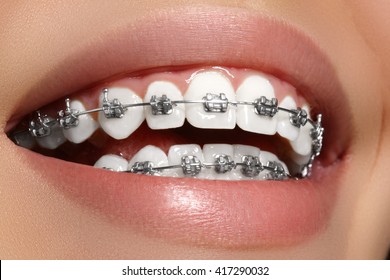
I used this analogy with my sisters (two of us have or have had braces)

Therapy is like getting braces.

Your teeth may be really messed up, many teeth problems can cause serous issues later in life if left unchecked, like breathing problems, infection, or bone damage from incorrect chewing. Teeth can grow in on themselves and be very painful.

But you’ve had them that way your whole life, since they grew in, you’ve grown up biting and sleeping the way you do, you’re used to how it looks. It’s just your teeth.

So, when your parents make you get braces, it feels awful. It’s painful for the first few weeks, and then with each new tightening, the pain is fresh all over again.

If you’re like me, you have a bunch of appliances, it gets stressful changing the new methods time after time, just when you got used to it.

And then, finally, you have that perfect smile you always wanted, the work is over right, only took 2 and half years…

Metal Braces Images, Stock Photos & Vectors | Shutterstock

but, then you have a retainer, or your teeth will go back into their old habits.

49024 Orthodontist | What Happens If I Don't Wear My Retainer?

You see how it’s the perfect metaphor?

Teeth are as stubborn as thought and behavioral patterns, if you aren’t careful, they get out of hand fast. They are hard to correct, and without diligent care, braces can get pretty gross and give you cavities.

Therapy is like braces, it hurts, every session can feel like a new tightening, until you get used to it. even then, what if a new element is introduced later that starts the pain up all over. Even if in reality it’s only a couple years, at the beginning, that seems like forever.

And afterward, you know it won’t stay fixed without help. You have to “retain” what you learned in therapy in order to maintain a healthy  life.

Maybe not getting braces won’t be fatal (it can be with extreme dental problems) but it will leave you in a lot worse shape than if you just bite the bullet for a couple years.

My dad, ever the example of what not to do, did not wear his retainer or keep gong ot the dentist, and his teeth got crooked again and he ended up with a painful infection, had to get most of them replaced.

And you may not be so lucky with emotional and behavioral problems.

My dad almost preferred not having the real thing, it can be easier that way, dentures and fake teeth don’t rot, right?

Just so superficial relationships with people who won’t challenge you may last 20 years, but never be anything really valuable.

I like to keep my real teeth just like I’d like to feel my own feelings with really deep relationships. So, I’ll take the harder but healthier method.

Therapy does not get me out of hard work, it just keeps me form blowing it out of proportion. It keeps things in their proper place, much like braces do.

That’s what I have for you today, I hope if some of  you were wondering about what therapy is like, this answered your questions. This is just my experience of 4 sessions, so I’m barely getting started and not all therapy is the same, but it’s what I have available.

Until next time–Natasha.

Miraculous Ladybug is an Empath’s Nightmare! (And other things)

Chloe is best girl, yeah, I said it.

Man is this show hard to watch and not get involved. Especially if you can sympathize with almost every villain, and the main one. Even if they annoy me.

Now that I finished Season 3, I think:

A. What the heck is wrong with you Natalie? Natalie, vous-ete (est?) tres stupide!

(I took French last year, this show keeps reminding me of it.)

B. Why, oh why, are they dragging out this ship, everyone knows it’s endgame by now.

C. They are wasting Yagame as part of a triangle, she’s freaking awesome, she should be a separate character.

D. Chloe is hands down the best character on this show. Sorry, HawkMoth, go suck an egg.

I am not crazy about the finale, I think they did my girl Chloe dirty, she slowly won me over as the most complex, sympathetic character of the main cast. Unlike the villains, she occasionally makes good decisions, and improves herself.

But by far the crowning moment for Queen Bee was being the very first person to successfully throw off an Acuma (the moth mind control thing, if you don’t know.)

The Mary Sue Marinette does dodge an acuma a couple of times, but only Chloe has thrown one off after already being infected.

Until suddenly, she’s too stupid to know HawkMoth is just using her, or too petty to care. This show has a habit of scrapping Chloe-character development whenever it’s plot convenient.

Even if it did make sense, it’s pretty negative to have a character regress so often, and I don’t see how it helps the message of the show.

But as an empath, this show can be one heck of a ride. The fact that negative emotions are the main antagonistic feature is both interesting, and difficult. They keep it PG, but some of the stuff is very adult, even so. Jobs, money, fraud, all that stuff that adults and kids alike have to worry about.

They have this little sociopath Lyla on the show now, and she’s officially the worst character.

But Lyla provides an all too ugly example of the kind of people we’ve all meant, the ones who embrace and nurse their wounded feelings, and choose hatred and spite on purpose, no matter what someone tries to do to make up for it.

Any little thing is enough to offend those people, and if it’s a big thing, you can be sure you’ll never hear the end of it from them.

One can’t help but think while watching about how we are tempted by our own negative feelings to give into them.

The show does not hide that many of the people who get acumatized feel ashamed afterwards, their private feelings were just displayed for all the world to see, and they do not even remember it.

The show even acknowledges that some people would begin to find the city of Paris a too dangerous place to walk around in freely, but the wiser characters remind them that giving into to fear will only make it worse.

The show kind of skips the distraction of politics that usually make it hard to focus on the point of whether living in fear is wise, or necessary, instead it goes right to showing how living in fear is the worst response to a threat because it gives it more power. Intimidation is a key component of any take over, the season 2 finale even shows this brazenly in its plot.

That being the case, we can draw some interesting parallels to many things in our world, where our fear makes the situation worse.

People decry the world for getting too relaxed, lazy, indolent. Shows like MHA, and RWBY, even have the villains taunt heroes with that attitude, but the fact is, fear driven societies are disasters. They are miserable, and there’s a collective wisdom in our desire not to dwell on fear.

How to Cope in a Fear-Driven Society | Psychology TodayIf It Bleeds, It Leads: Understanding Fear-Based Media ...

The idea that we should not dwell on our negative feelings is one that strikes home with me too, as you may remember, I have been dealing with depression.

Happily, it’s gotten much better, I don’t think it was ever full force anyway, but I had to do some soul searching, and I came to the conclusion… soul searching doesn’t work.

There are times and phases in life when you have to look at yourself and ask “what the heck am I doing?” but not when you’re depressed, stressed, or anxious. Introspection is a real pain when you aren’t feeling great about yourself to begin with, and it’s rarely honest.

Jeremiah 17:9The heart is deceitful above all things, and desperately wicked: who can know it?”

“It is the glory of God to conceal a matter and the glory of kings to search it out. 3 As the heavens are high and the earth is deep, so the hearts of kings cannot be searched. ” (Proverbs 25:2-3) 

C. S. Lewis gave up keeping a diary because he saw no use for focusing on his own thought and feelings so much anymore. As a young teen, having a journal kept me sane, I did not have a lot of people to talk to.

Now, I still don’t have a ton of people to talk to, but I think I understand emotions a little better than when I was 13.

I do still keep a journal, but it’s become less of a comfort, it can be fun to write out good things, but the hyper-focus on what’s wrong no longer helps me process, it’s become rehashing the same thoughts over and over.

I think journaling does work, but perhaps God has not put his hand into that at this time of my life. So, I switched to therapy.

And in my last talk with my therapist, she told me again that my controlling father will probably not change, after decades of getting away with the same behavior.

At one time, I would not have wanted to hear that. While he was around, hoping he’d change was about all that kept me from despairing of my situation, up until last year, I never imagined he could leave. It’s still remarkable that it happened.

I can’t say I enjoyed hearing that it may be hopeless, but I did realize something, a lot of my hope depends on the idea that other people will change, or that I myself will somehow learn a new trick to manage my life.

In therapy, I’m being encouraged to just keep doing what I’ve already done, with few extra tips. Turns out, maybe therapy is  support system for what people already would need to do, but we can get so psyched out if left to ourselves, and not make those decisions. We need someone else to back us up.

See, the approach so far is not that I need to be “fixed” like I thought, but that I need to be encouraged to keep making the right choices, it’s having someone else on your team.

So, if you’ve ever considered therapy, at least Christian therapy, let me say, don’t expect it to be carrying you, but it can give you more resolve and help you feel there’s a way to move forward.

I now don’t think I’d have lost my mind without it, but it is hopefully shortening the amount of years I’ll spend recovering from this, since a huge part of recovery is not walking in the same circles of anxiety.

How does this tie in to the show?

Well… everyone on this show needs therapy. They need to learn ways to make better choices.

Chloe had the right idea, having someone you can trust to care about you is  good first step, you need to have hope.

Chloe hit the wall of having hope in a human being though, they will not always understand, or make wise choices.

Honestly, one of the ironies of the show is that Marinette, the person with a good background, loving parents, loyal friends, can be the most insecure, immature person in the main cast, save for Hawkmoth, ’cause that guy is whacked.

However, I’ve been thinking about that.

See, my dad had a royally flipped up background. Some of it might blow your mind, but some of you might have had similar experiences, I’ve discovered that suffering and evil are not what’s uncommon.

I know people with better parents than mine, too. But I have still been lucky in some ways.

The thing is, the people with good parents, aren’t necessarily the strongest, neither are the people with bad parents, despite what anime seems to think.

Trauma+tragedy is not a recipe for strong, brave character. In many cases, they are the most afraid and abusive of all.

s3uddaqxa6001

But, good family also doesn’t make you compassionate. Marinette is a perfect fictional example of how it make you less able to understand what others go through, while Adrian is far more sympathetic to people’s difficulties.

81elfiwFRVL

Miraculous Ladybug is Adrien's Story: Here's Why

I used this analogy the other day, your background is like being dealt a hand of cards (I borrowed this from Stasi Eldredge).

The thing is, in most card games, you don’t win with the hand you start out with. With games like Shanghai, you have to add and replace cards slowly over time to get the right combinations.

A hand of cards at the start of a game of bridge - ABC News ...So, whether it was good hand, a bad hand, or in between, you still can’t win, unless you play the game, and play it well.
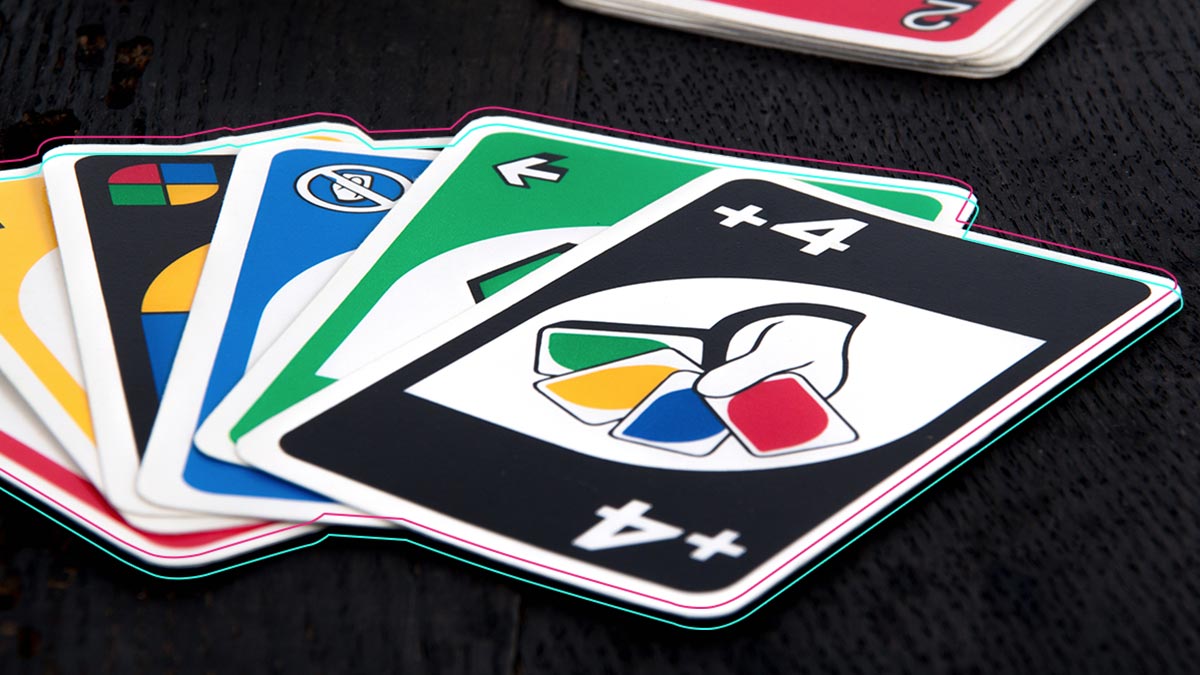
The game is life, bro.

What I mean is, you can choose to discard what was negative in your life, to stop listening to that, to exchange it for something better, in a Christian’s case, a new history in God.

How To Play UNOYou can get help, you can change your course. You can build on a good background, if you have one.

Whether you start off bad or good, you choose where it goes from there.

On the show, Chloe has to look at the very bad examples of both her parents, and realize she wants to be a hero, she wants to be kinder.

77.9k Likes, 709 Comments - Chloe Bourgeois ...Thomas Sanders just released a new video talking about almost the same thing, and asking the question “Why should we be good? What’s our motivation.”

I could have saved him 45 minutes of screen time, I have the answer.

Because God made us with that purpose. God requires goodness of us, and God has provided a way to be justified in his sight, because we cannot pull it off.

When you love God, you will want to be good. You will be able to be, more than if you were just trying for some abstract standard. Love is really all that motivates us.

“If you love me, you will keep my commandments.” (John 14:15)

And for me, I don’t love myself so much I want to be a better person just for that reason, I do want to be happy, but there are times I loathe myself, not because I think it’ right, but because I have issues. I can’t always feel pleased with who I am.

But what I don’t do, is hate on myself when I feel that way. I try to remind myself God has a better vision of who I am.

And for the love of God, I can keep trying, He is the one who’s there for me, and I am so grateful for that. Even on days when I feel down, and feel like it’s not worth it, and I’ll never be free.

That’s just an illusion, a Lie, if you will.

Volpina (2016)Gotta watch for that.

Until next time–Natasha.

If you want to support my other writing, check me out on Kindle and Wattpad 🙂


https://www.wattpad.com/user/worldwalkerdj


Arrival at UA by worldwalkerdj

Say “I Love You” ?

Today, I want to talk a little more about a show I mentioned in my last post about anime in general.

“Say I Love You.”

This story is about two people, Mei and Yamato, who run into each other at highschool and somehow end up kissing and starting a relationship (it makes more sense in context).

It was a cute first few episodes.

Then the show does what anime does, and adds drama. Drama, drama, drama. Cue the AJR song.

Yamato is one of the better male anime leads I’ve seen, in that, he comes off as a real person, not one of those bland, too perfect anime boys who has a harem for some reason.

Often anime boys, for the sake of plot, are spineless and pathetically uncolorful. They just aren’t human.

Or you get your Naruto’s, bright, sunny, very human, but selfish and self absorbed to the point where they can never learn from their mistakes.

Yamato is just the right mix of traits to where he was painfully believable as a character. I’m sure some of the girls watching the show knew guys like this, I am sure I’ve met them but never been close enough to know that about them.

Yamato is insecure, easily jealous, and a push over to the point where he sleeps with a girl out of pity because she manipulates his need to be needed. (Which is something often that girls do for guys, but it was odd to see it on the other side, yet I’m sure it happens more than people acknowledge.)

Yamato has a classic White Knight complex, not the Nice Guy Syndrome one, or the cute chivalrous one, but the “he can’t say no if anyone starts acting needy and he just had to be the hero” one.

Mei, on the other hand, is the kind of girl who is afraid to trust anyone. She got used by people as a scapegoat in her past, and she is now very defensive, but also shy and quiet. She has a caring heart, she loves helping wounded animals, and later she learned to like helping people too, but she pulls back from intimacy a lot. She is also so realistic, it hurts to watch.

Mei and Yamato seem like a good match in a way. Mei never tries to use him and exploit his weakness to manipulation. Yamato tries to take care of her and make himself trustworthy, not blaming her for anything, and appreciating her softer side. They even like some of the same things, like cats, it’s pretty cute.

But…

The anime took an interesting approach to their issues, because time and time again, the real problem wasn’t actually ticking each other off, but that the other people in their lives kept getting in the way, and Yamato could never say no, and Mei would not stand up for herself.

They learn a little eventually, but like many anime, the ending is not that good at showing that they truly learned why they are the way they are.

They apologize for their mistakes, but it never occurs to Yamato what his real problem is. It never occurs to Mei why she needs to confront him on that. Even though her friends tell her she should, she chickens out of really telling him all of it.

While the anime did convince me their relationship was not a terrible idea, it didn’t convince me it would ever end up very strong, because they just couldn’t say what was really wrong.

The point of the title is that Mei needs to learn to trust enough to “say ‘I love you'” to Yamato. And she does, at the very end, sort of (it was a little hard to tell if she was thinking it or saying it.)

The hard thing is that, what they really need to say is the truth.

Mei and Yamato are an all too real depiction of how people get into a relationship, and some of them, with the best of intentions, think they will be able to heal the other person.

Yamato thinks that, but we find out, he thinks that about everyone. He feels it’s his job to make all the pain better, we do learn that this is because he had a habit of not helping people in the past, and he feels guilty about that.

It’s beautiful when your significant other really wants to help you heal, instead of just wanting you to heal them, I hope I can have that attitude with my husband.

But it’s never enough.

Mei and Yamato hit that roadblock and the show ends because, it just doesn’t have anywhere else to go. I heard the Manga went further, but I doubt it really changed a lot, it was too much of a pattern. I learned from Naruto the hard way that if something starts off not finishing it’s character development, it tends to end that way too.

I’ve been rereading John and Stasi Eldredge’s “Love and War” book about marriage (’cause if you ain’t got it, you read about it, as Family Matters put it) and it describes the problem with fictional relationships to a tee.

In fact, I notice that the best fictional relationships are often ones that ignore something.

I love the ones where the two people understand each other so well that they aren’t bothered by the other person’s temper, because they know exactly what they mean by it, they never get offended by something that’s said because they’ve come to understand them so well, and they know just what to say to make them feel better — #goals.

Yeah… but, it’s not real.

Even friendship is portrayed that way on anime and kids shows a lot, and while I think it’s okay to aspire to be that kind of friend, you really can’t expect people to never get offended.

In a perfect world, we would understand each other that well. We’d never need to worry about offending anyone because everyone would be whole and confident, and impossible to offend.

I’m  not too easy to offend with just words, I like kids, so I have to have a sense of humor about what people say to me, it’s easier with kids, because we don’t see them as the verdict on us, so if they insult us, we don’t take it seriously. At least, good childcare workers don’t.

But people are broken, they are a hot mess, and we can’t help but get hurt by what others say and do, it’s infuriating when we know better, we know this person would not try to hurt us, yet we get hurt anyway, and get mad at them. We can’t seem to help it.

I had the story of living with someone who actually did want to hurt me on purpose, which has given me a sense of insecurity about really being sure that other people never want to hurt me on purpose. I feel that they could become spiteful at any moment if I push them far enough.

Add to that that I am a naturally bold person who likes to start conflict if it’s for a good reason, and I end up creating situations for myself that would bring out people’s spiteful/defensive side if they had one.

I’d rather just know the truth.

The reason for that is, the person I lived with who spitefully hurt me on purpose, would lie about loving me, say it was out of love, and say they would not do it again, anthing to get out of the hot seat.

I developed a real hatred for bullcrap (real or imagined), and now I like to make people reveal their “true” colors, and prove they are only being fake with me.

I’m catching onto this habit more and more lately, and trying to control it, but I know perfectly well that I will not be able to every time. I will get triggered. I will react poorly.

I want to get healed enough so that that will be a rare occurrence, and I’ll realize it quickly and repent when it does happen,

but it turns out my biggest obstacle is no realizing I’m wrong, but accepting that I need help, and I need love, despite being wrong.

My dad put me on a very destructive cycle. He set me up to fail (and if I gave you details, you’d see just how very openly he did it) and then blamed me for failing when I could never have won. Giving me both self worth issues, and issues with giving people a fair chance, issues that feed into each other in such a perfectly evil way, that it is only by God’s grace that I am not swallowed by them.

The thing is, I am not my issues. I have them, and the trip me up, but it’s popular now to let them define you.

They don’t have to.

You can know you have a problem with Self Pity, but not live your life defined by self pity parties. You can actually be a sympathetic person, and still know self pity is a weakness of yours, it may have just turned into you strength.

You can know you have a temper, but let that make you more self controlled and slow to anger so that it doesn’t dominate your life.

And you have other traits. I may have issues with self worth, but I do not treat myself like I have no worth.  I have tried hard to share my desires with people, to show I respect myself by how I dress, how I act, how I talk about myself. You won’t hear me use self deprecating humor too often. People may think I don’t talk bad about myself because my parents were super supportive, that would be a lie.

My mom had a rule about now saying negative things about yourself, but I know people who had a similar rule, but still lapsed into that whenever they weren’t around their parents.

My parents did not praise me that much, and often when they did, it was manipulation, which adds to the sense of worthlessness.

It’s been a choice not to fall into talking about myself like I’m worthless. Or thinking about myself that way, you know, that Inner Critic that gets all over your case.

I still have it, but I shut it down pretty quickly when it pipes up.

This is what I mean, I am not free from insecurities, but I am not nothing but insecurities. It’s a mistake to see yourself that way, but it’s encouraged by our culture, in some parts of the world, not being that way is seen as arrogant.

But the Bible would not say so. David said “I am fearfully and wonderfully made” and praised God for making him skilled in battle so that he could “bend a bow of bronze” (unless that was the other psalmist, but I think the point still stands).

The Bible is not into self deprecation.

In summary , we are messed up, we can’t fix each other, but that’s no reason to hate ourselves.

Until next time–Natasha.

And if you want to check out a different kind of my writing, I have an anime fanfic story on WattPad that has lots of relationships, and some adventure/sci-fi stuff too:

https://www.wattpad.com/user/worldwalkerdj

Arrival at UA by worldwalkerdj